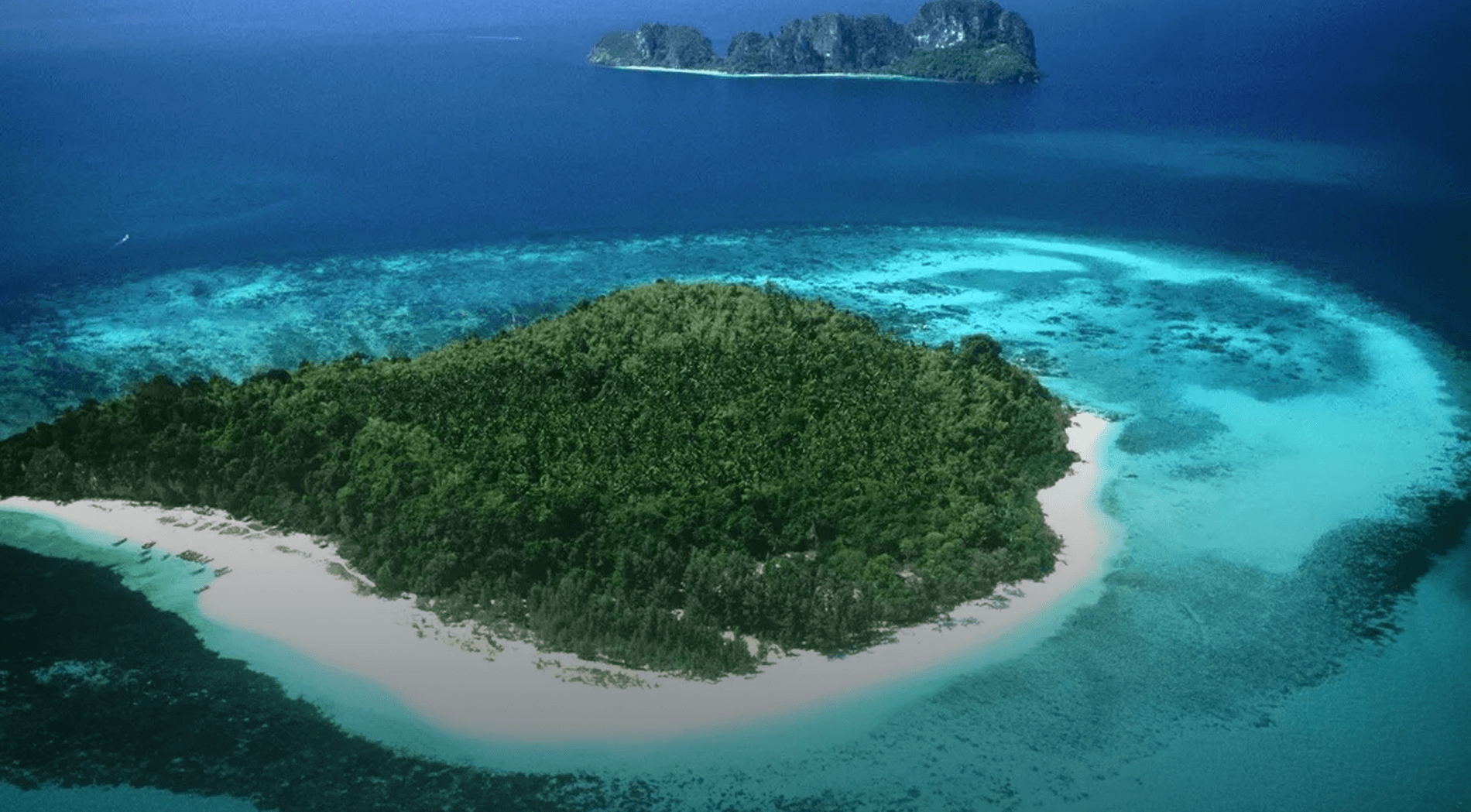
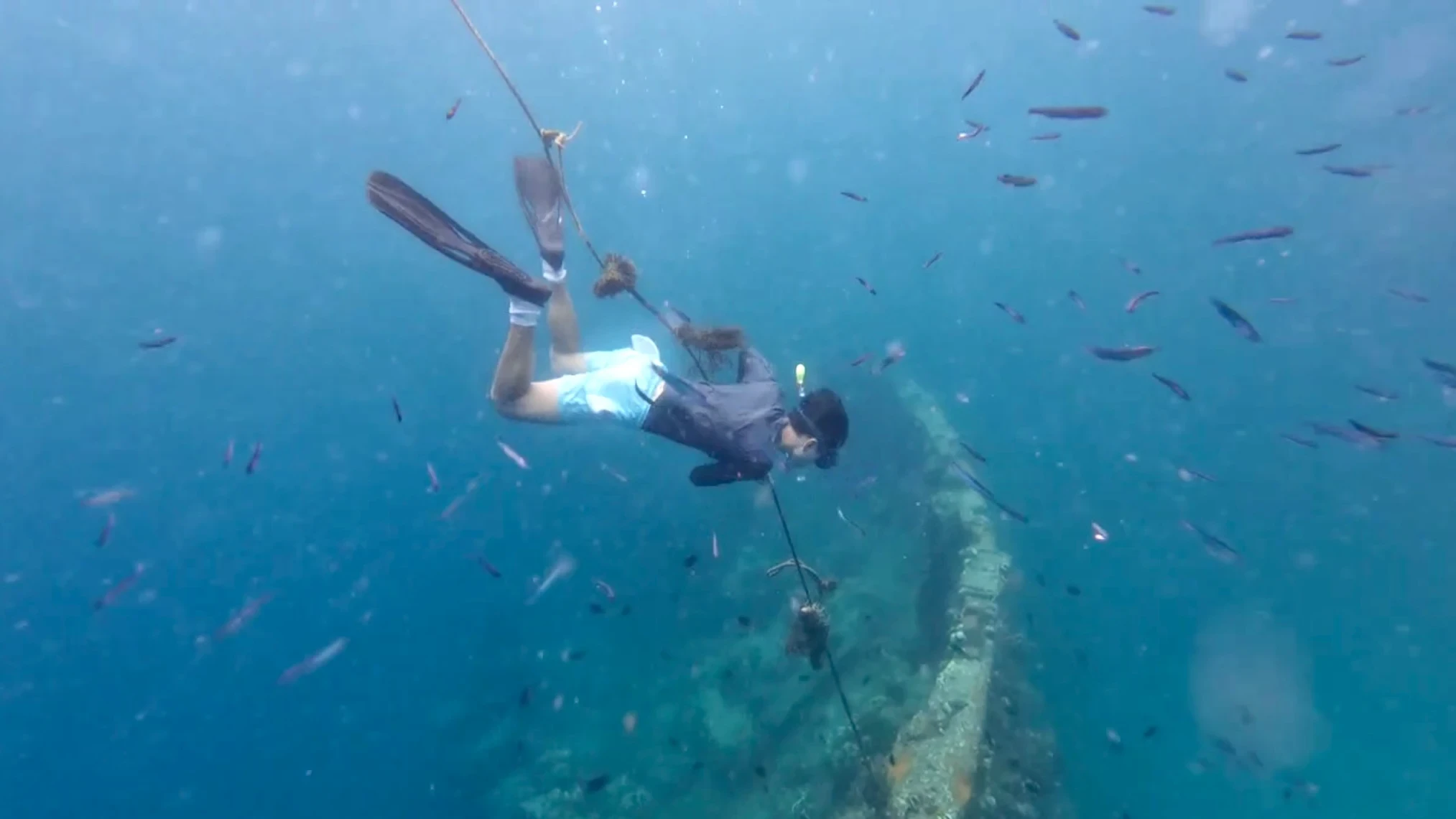
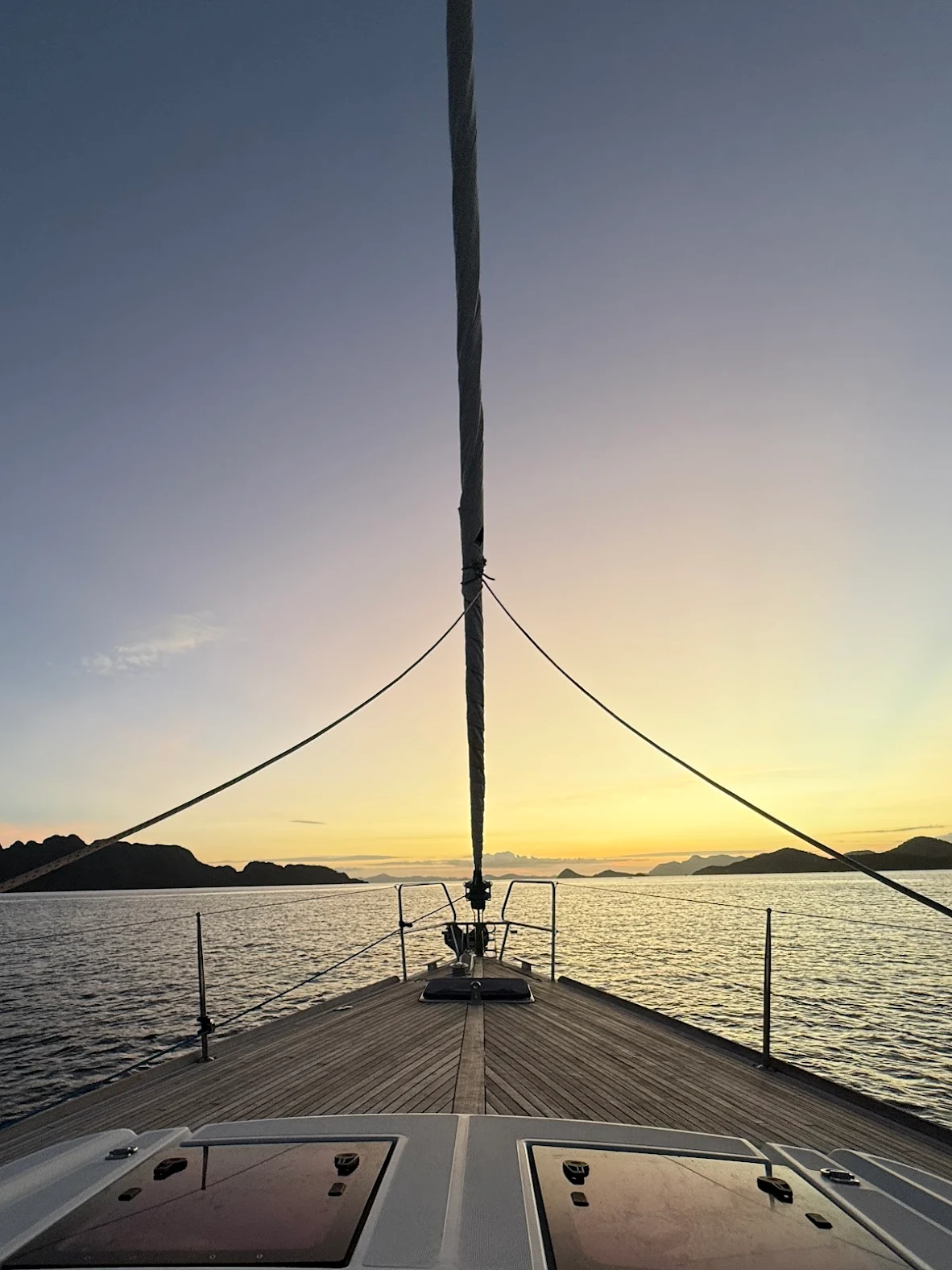
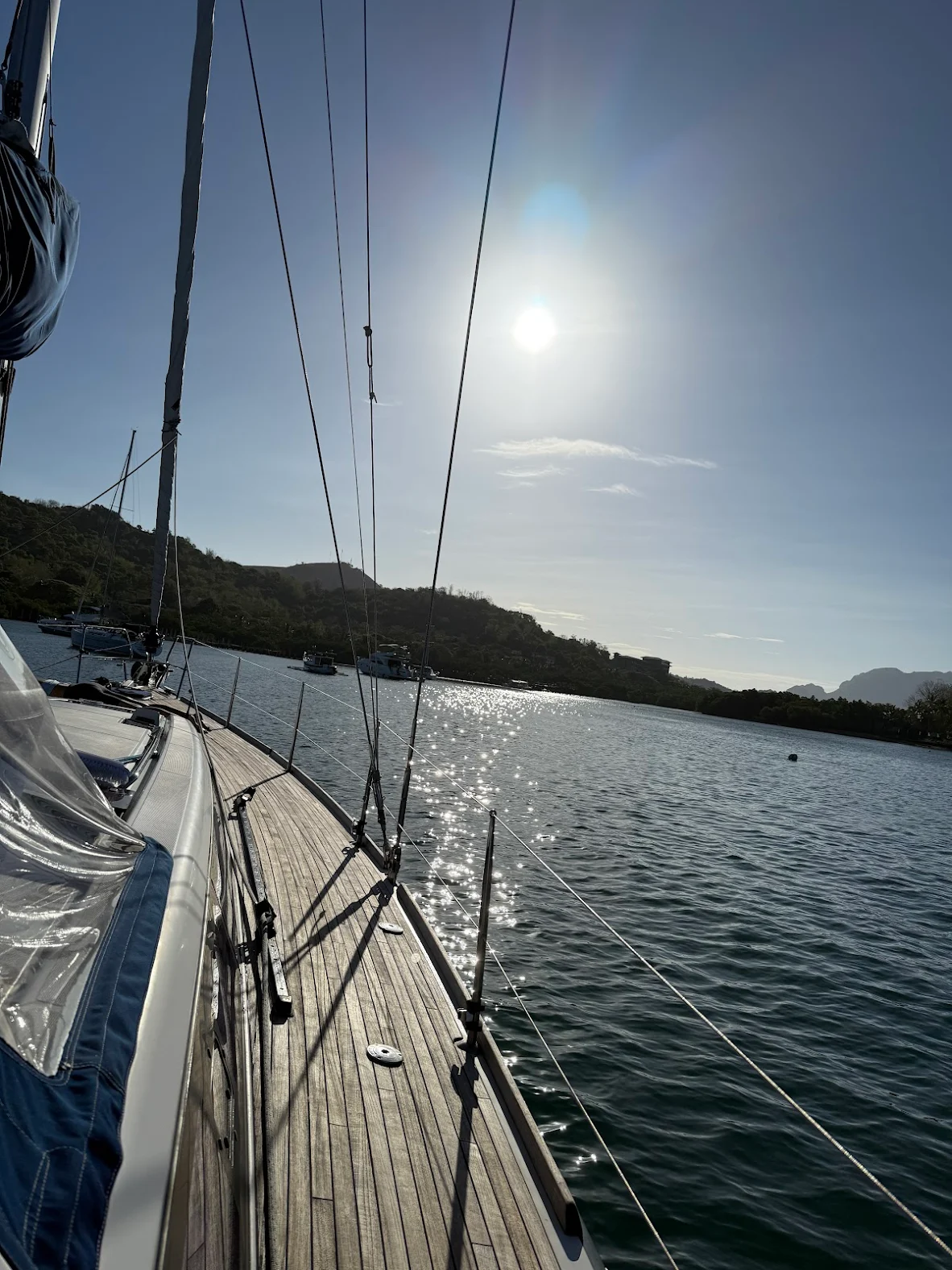
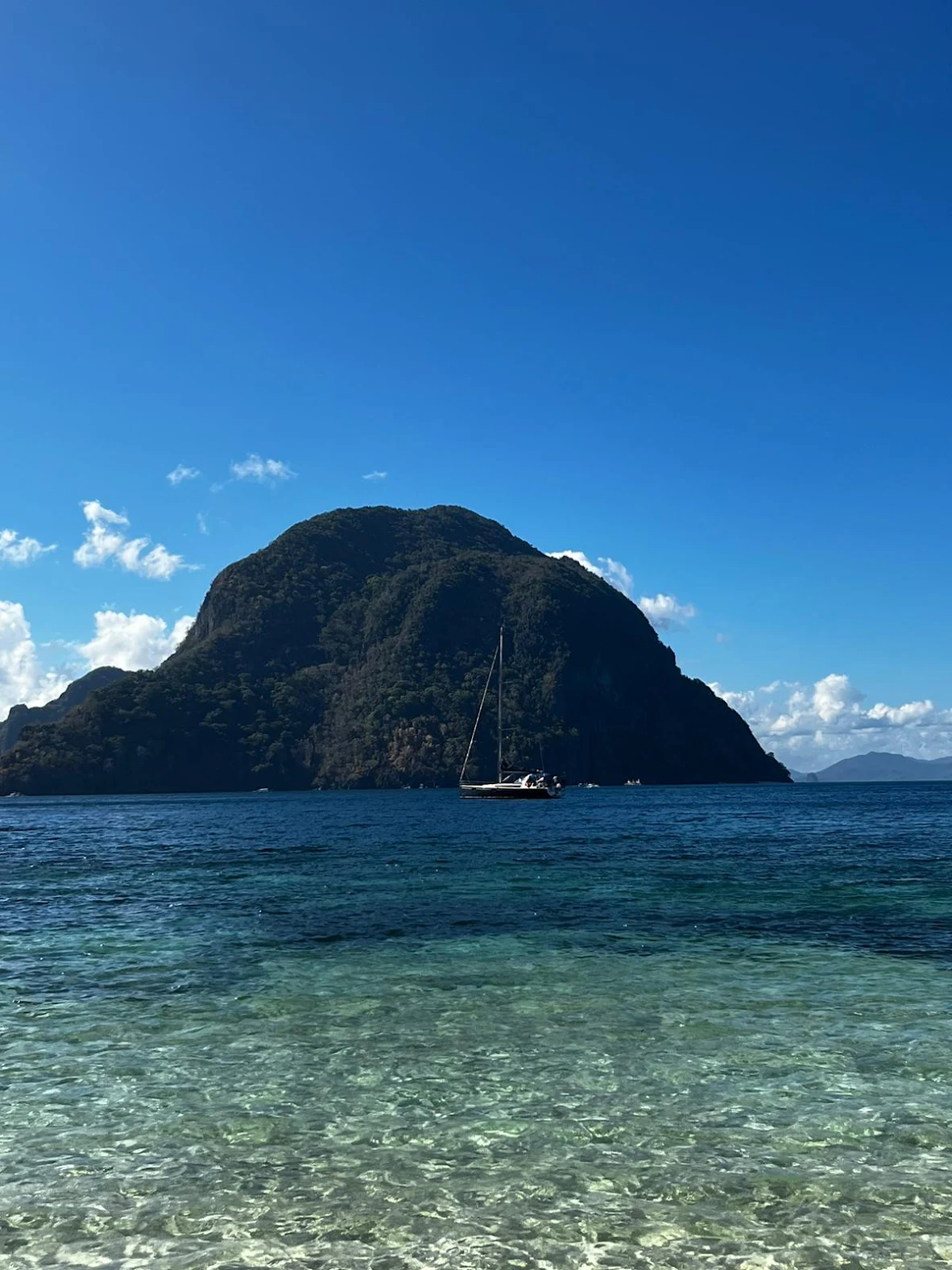
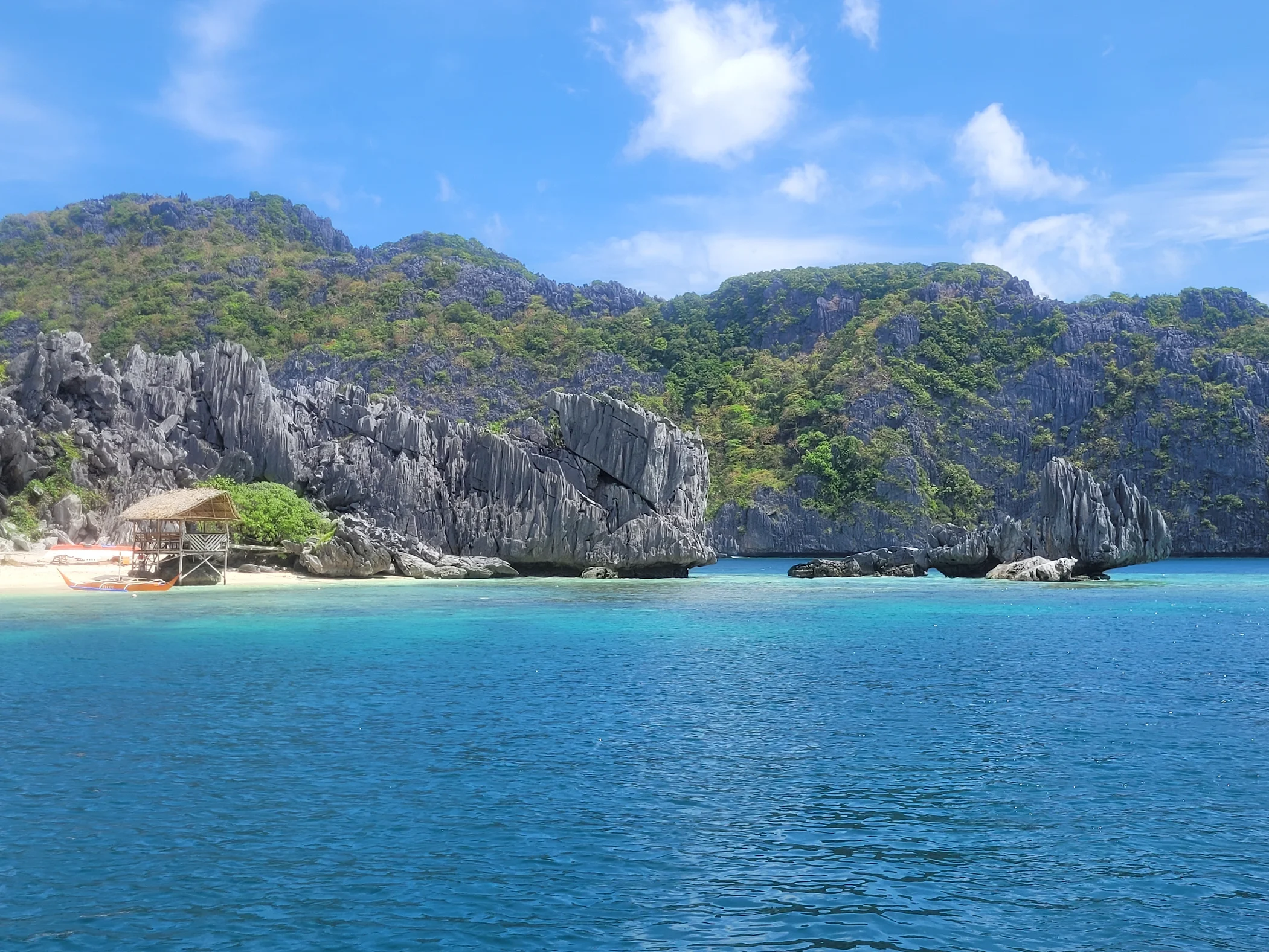
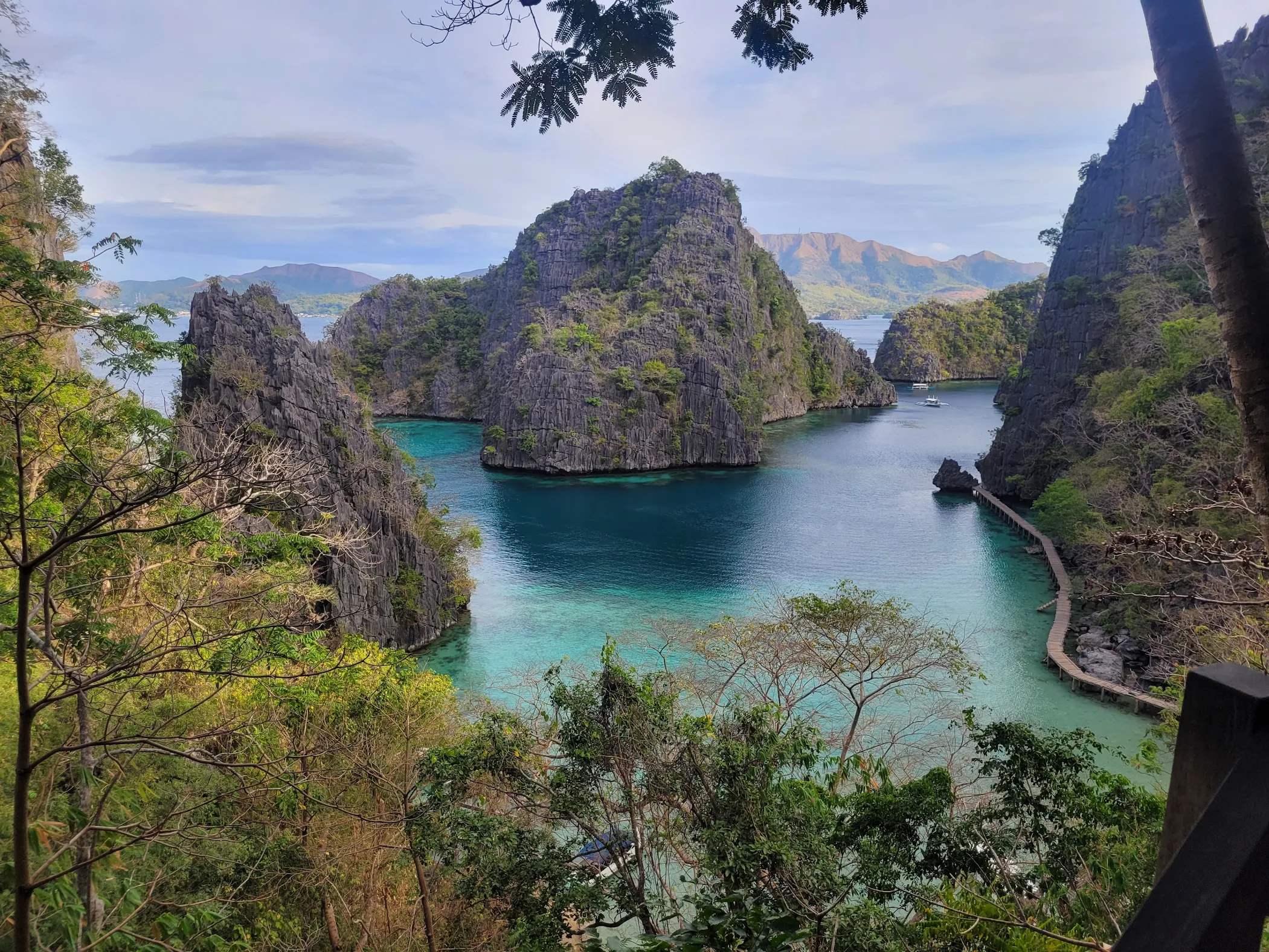
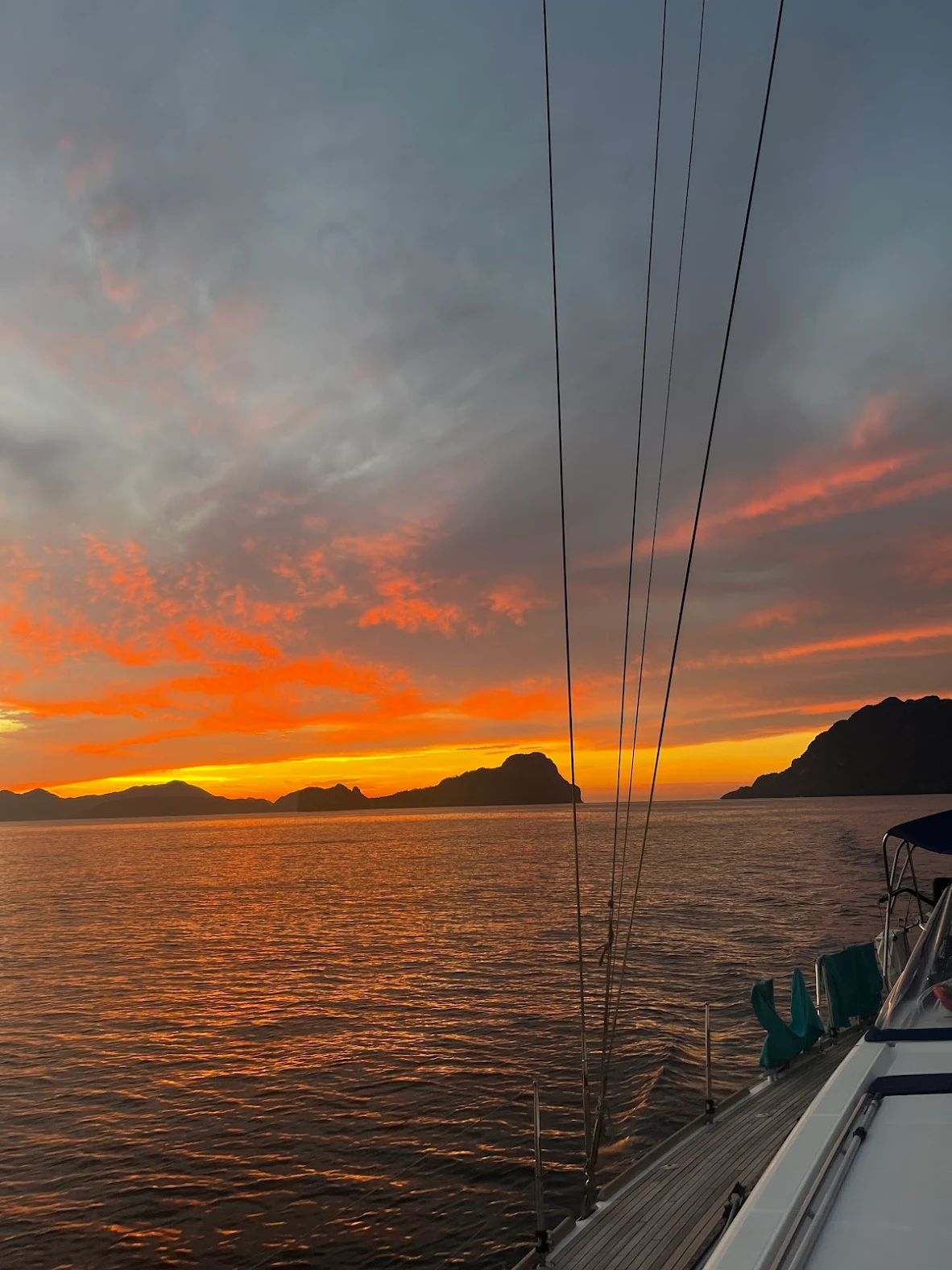
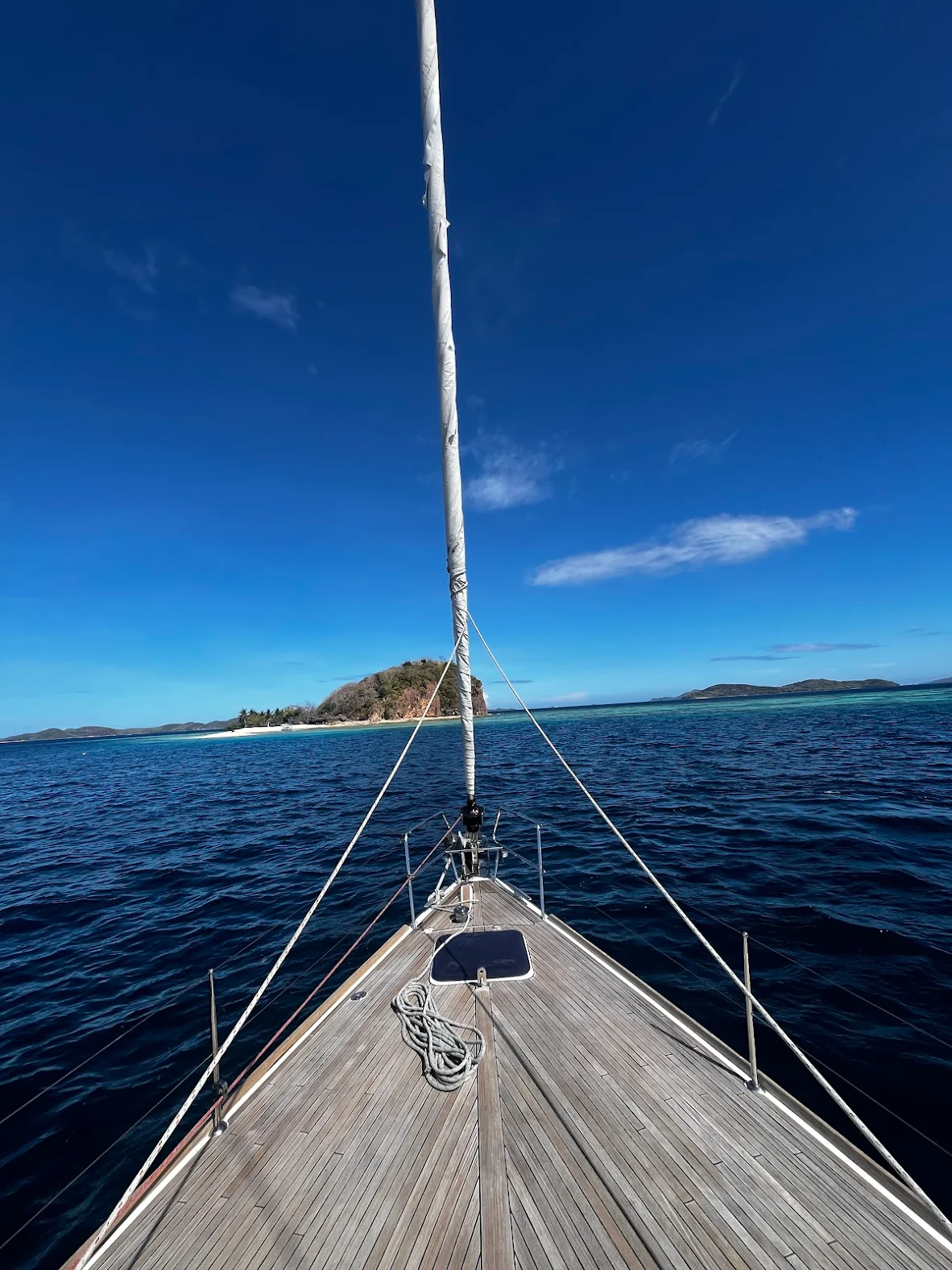
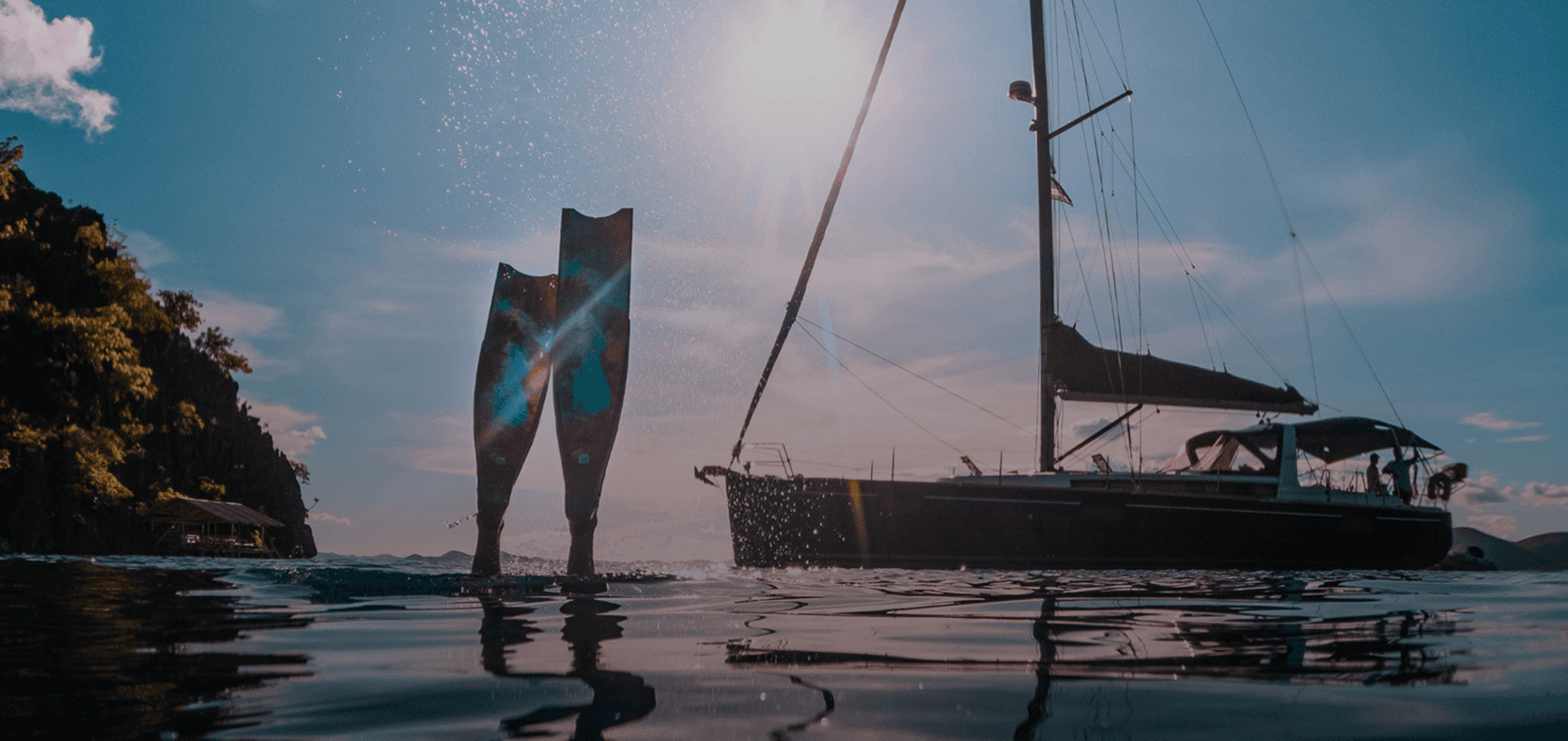
Few places on earth rival the island chains of the Philippines and Indonesia for pure cruising potential. Thousands of islands, protected coves, turquoise shallows, and thriving reef systems make these archipelagos a dream for any sailor. Yet these waters also demand responsible yachting. In regions where the seabed is as alive as the sea itself, operational safety and reef protection go hand in hand, requiring precision and sound judgment in navigation.
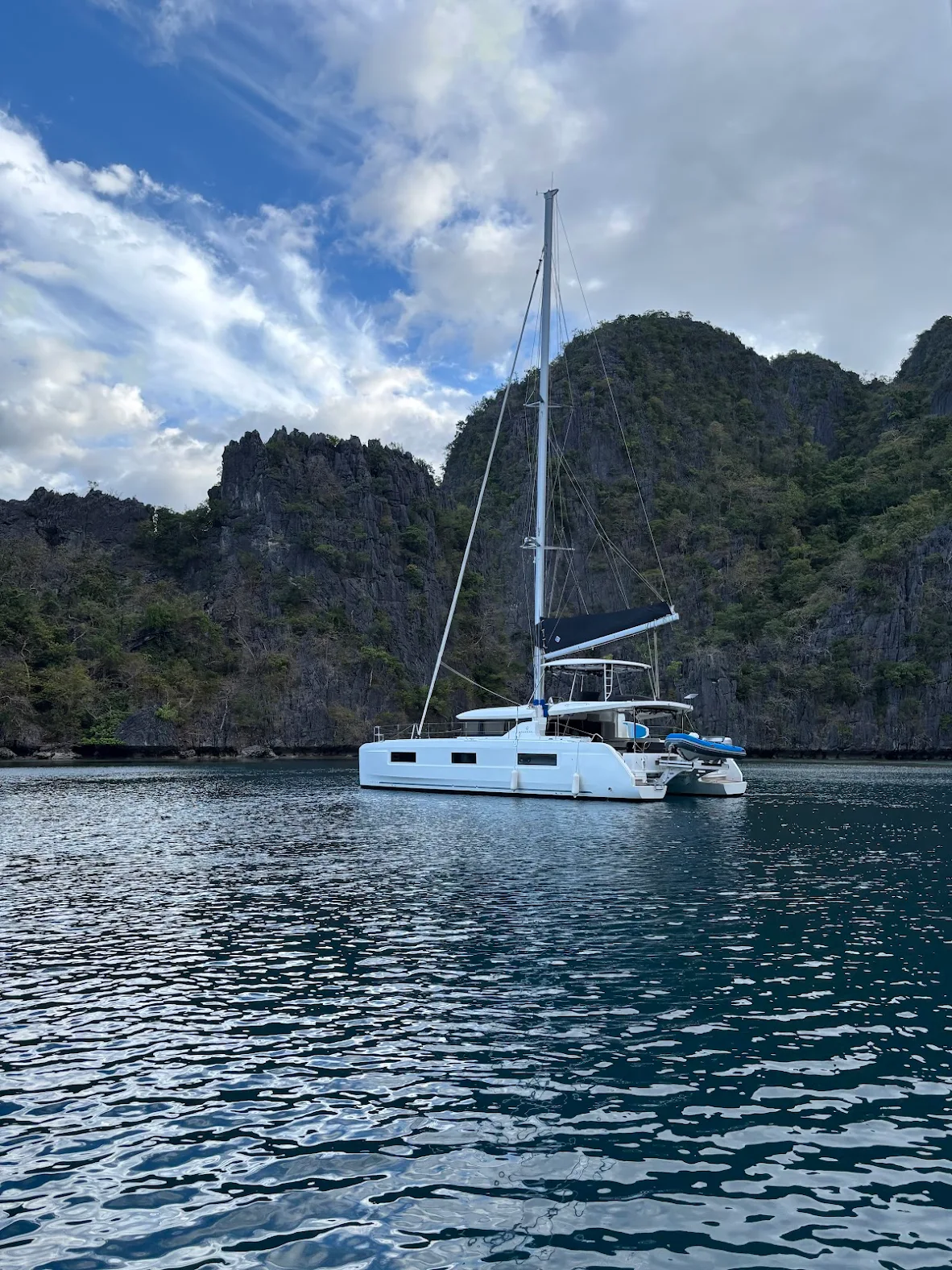
This is where catamarans truly shine. A catamaran is a twin-hulled vessel designed with reduced draft, allowing it to be more stable on water and to float in significantly shallower locations than many traditional monohulls. That balance of steadiness and access opens up anchorages that might otherwise be out of reach while also providing a stable platform for reef exploration and island hopping.
In this article, we’ll walk you through a clear comparison between monohulls and multihulls (such as catamarans), and we’ll explain why the latter may be the ideal choice for your next archipelago yachting adventure.
1. Stability Underway and at Anchor
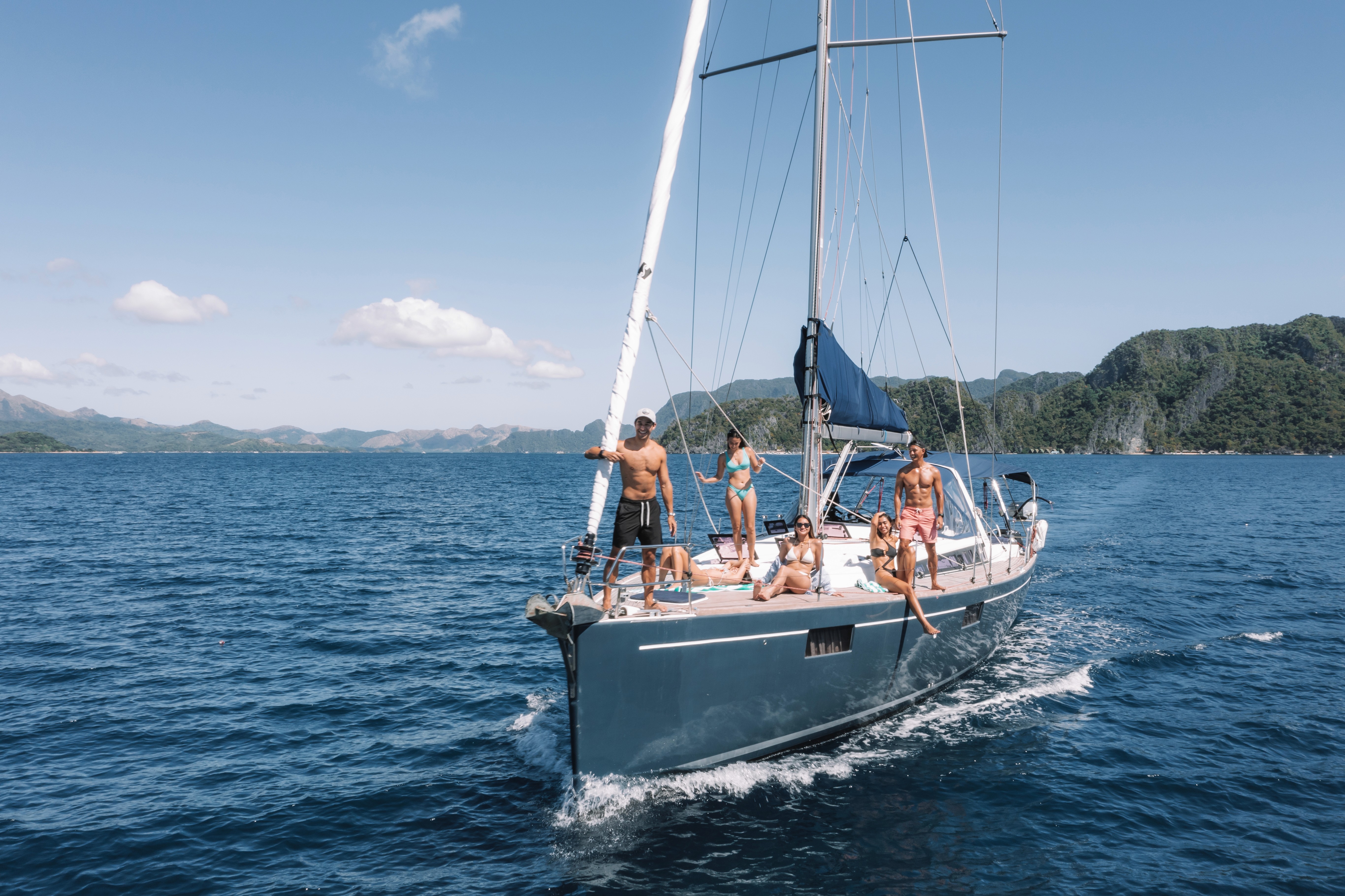
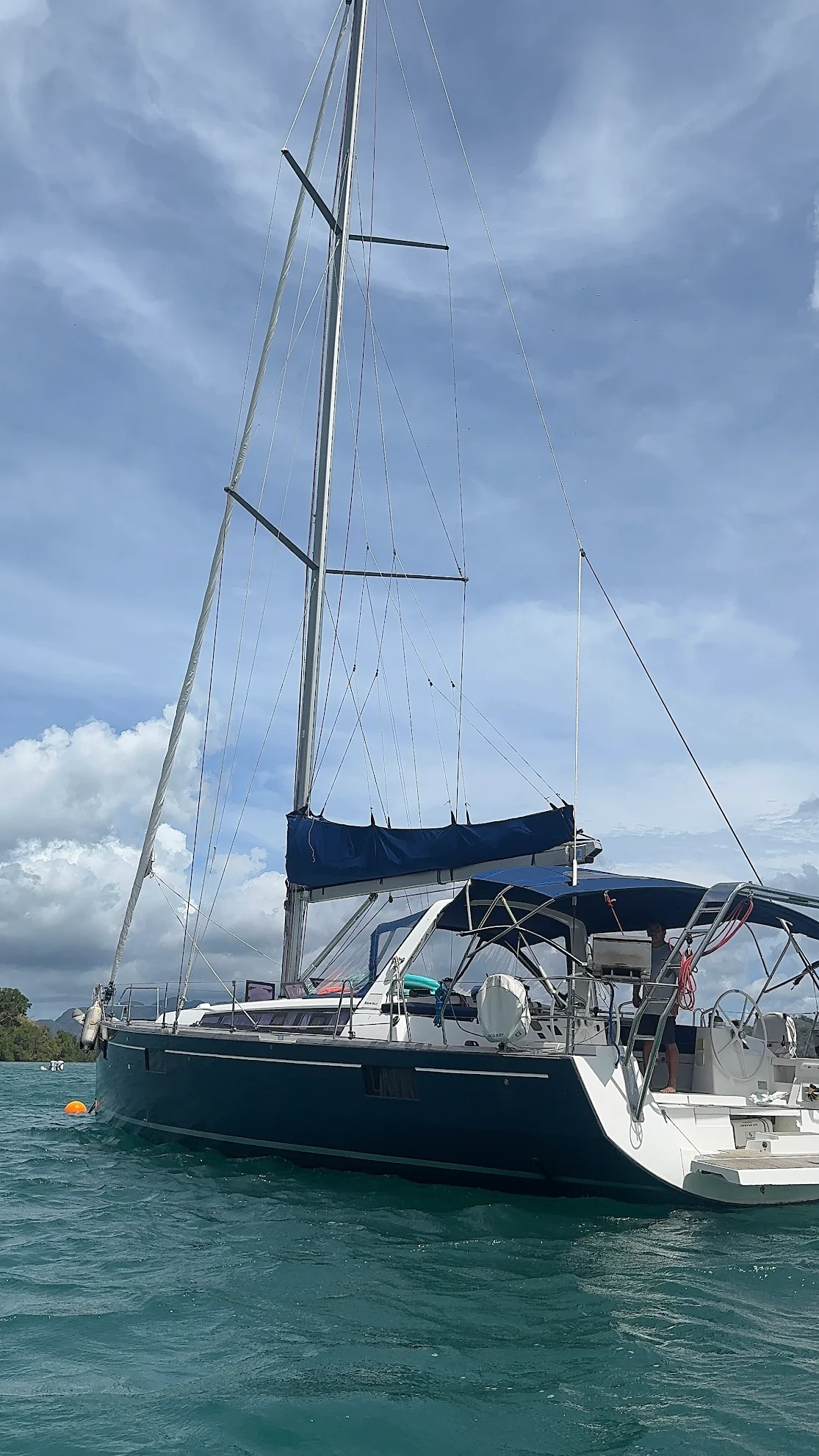
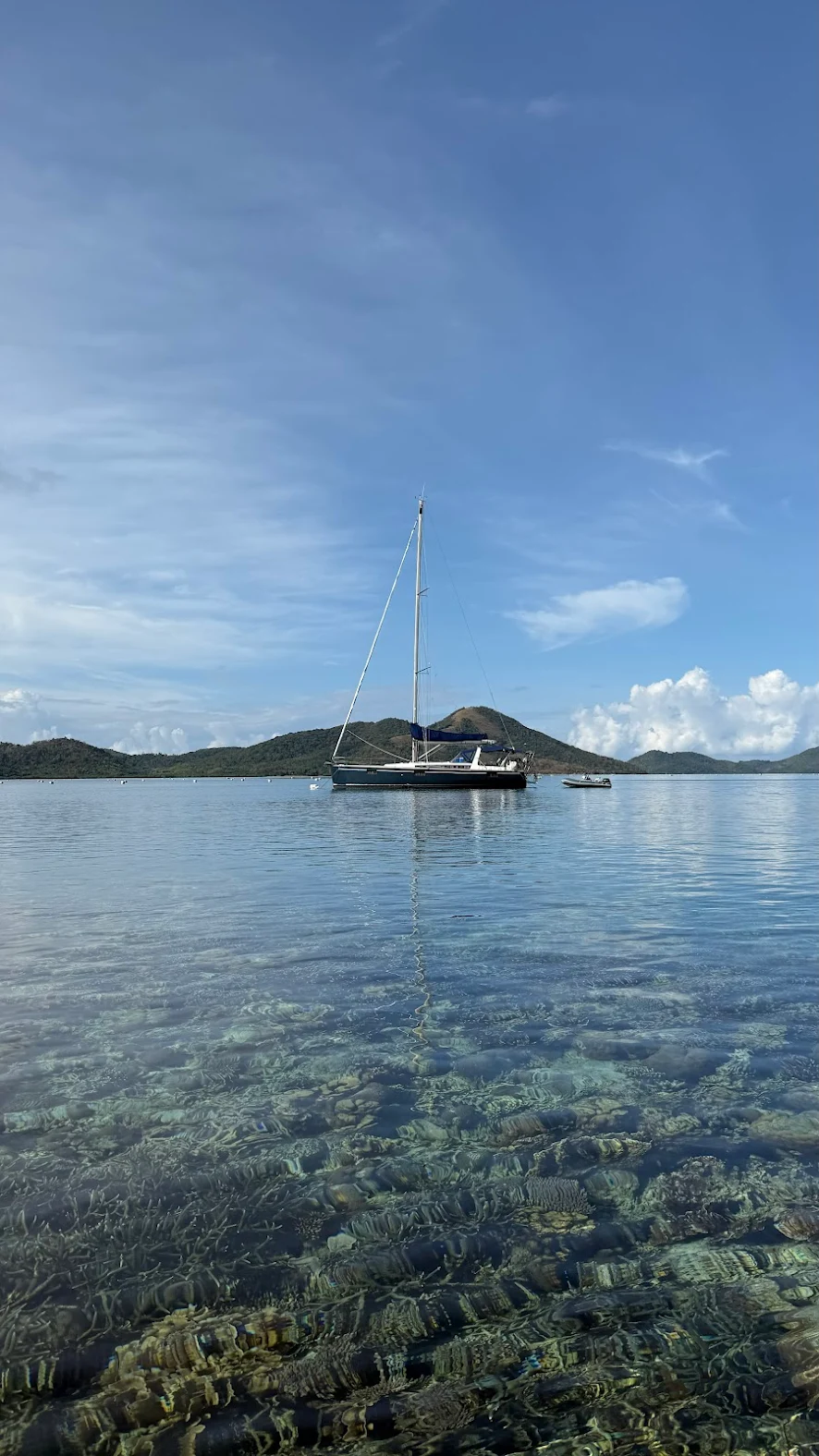
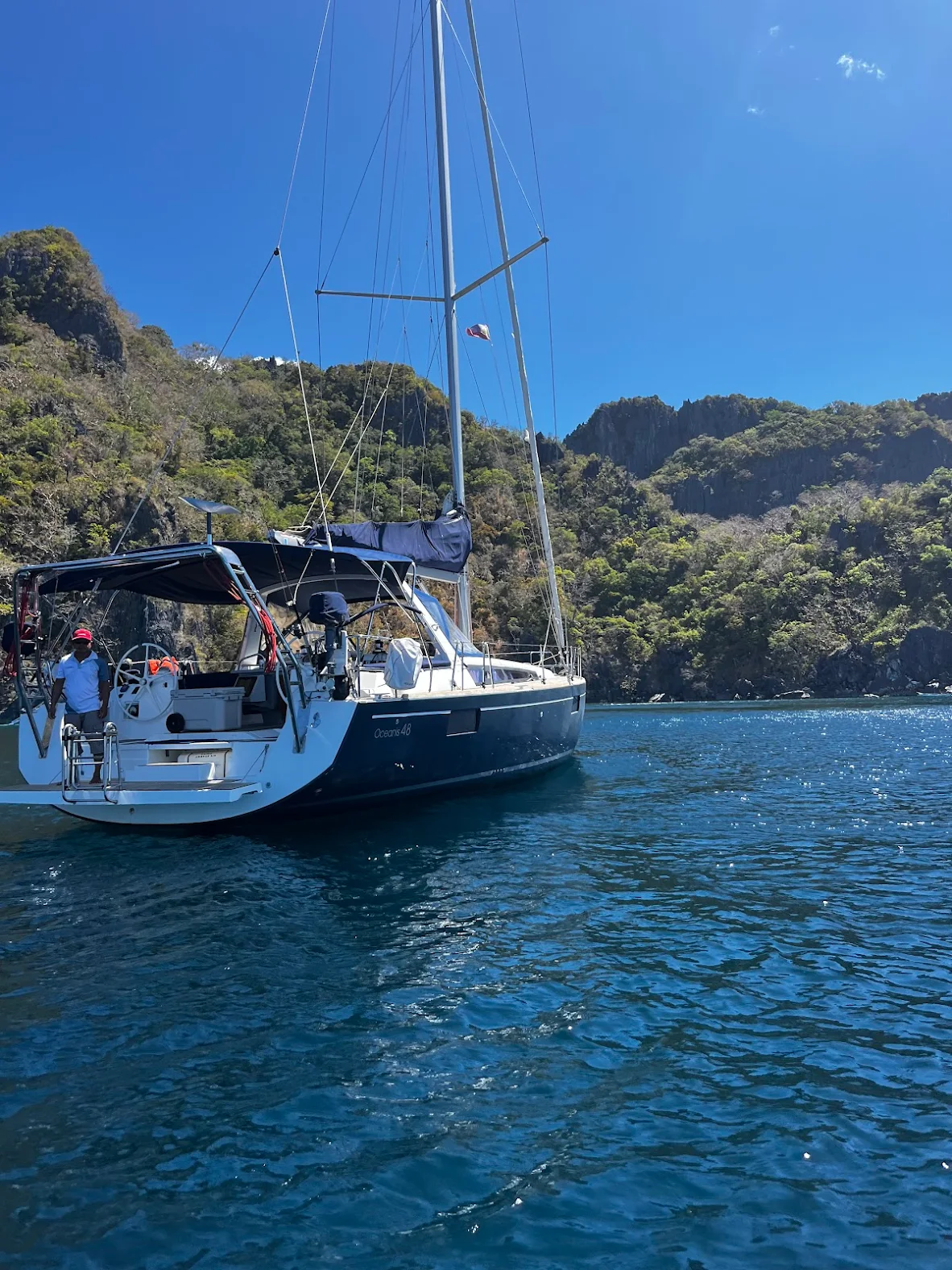
A monohull stays upright thanks to a heavy keel beneath the boat. When the wind fills the sails, it leans into the breeze, and many sailors enjoy that classic, responsive feel. Out in open water, that motion can feel solid and dependable. But in archipelagos, where you might sail for a few hours and then spend the rest of the day at anchor in a cove, comfort at rest becomes just as important. In rolling conditions, a monohull can sway side to side, which some guests may find not to their liking.
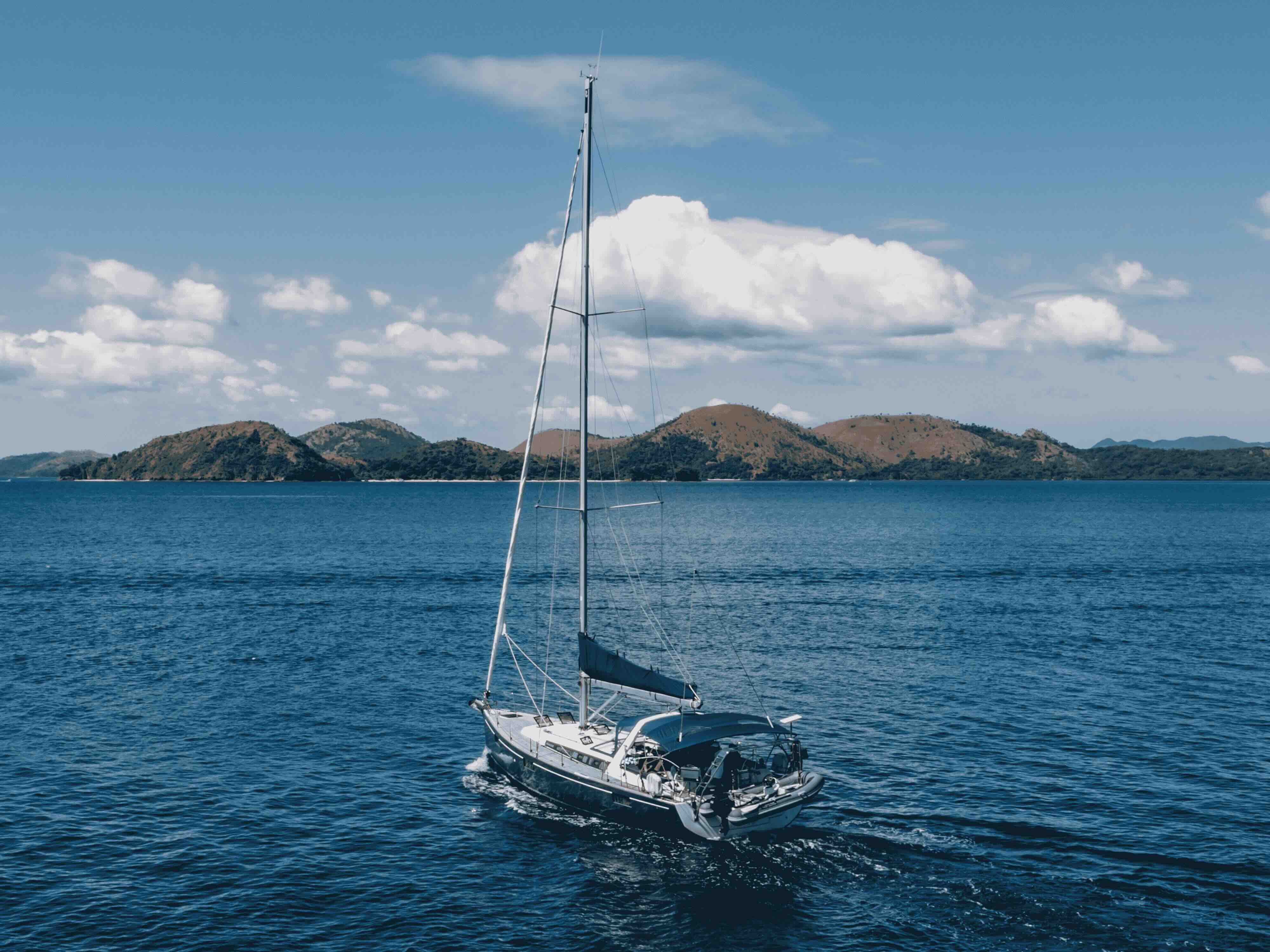
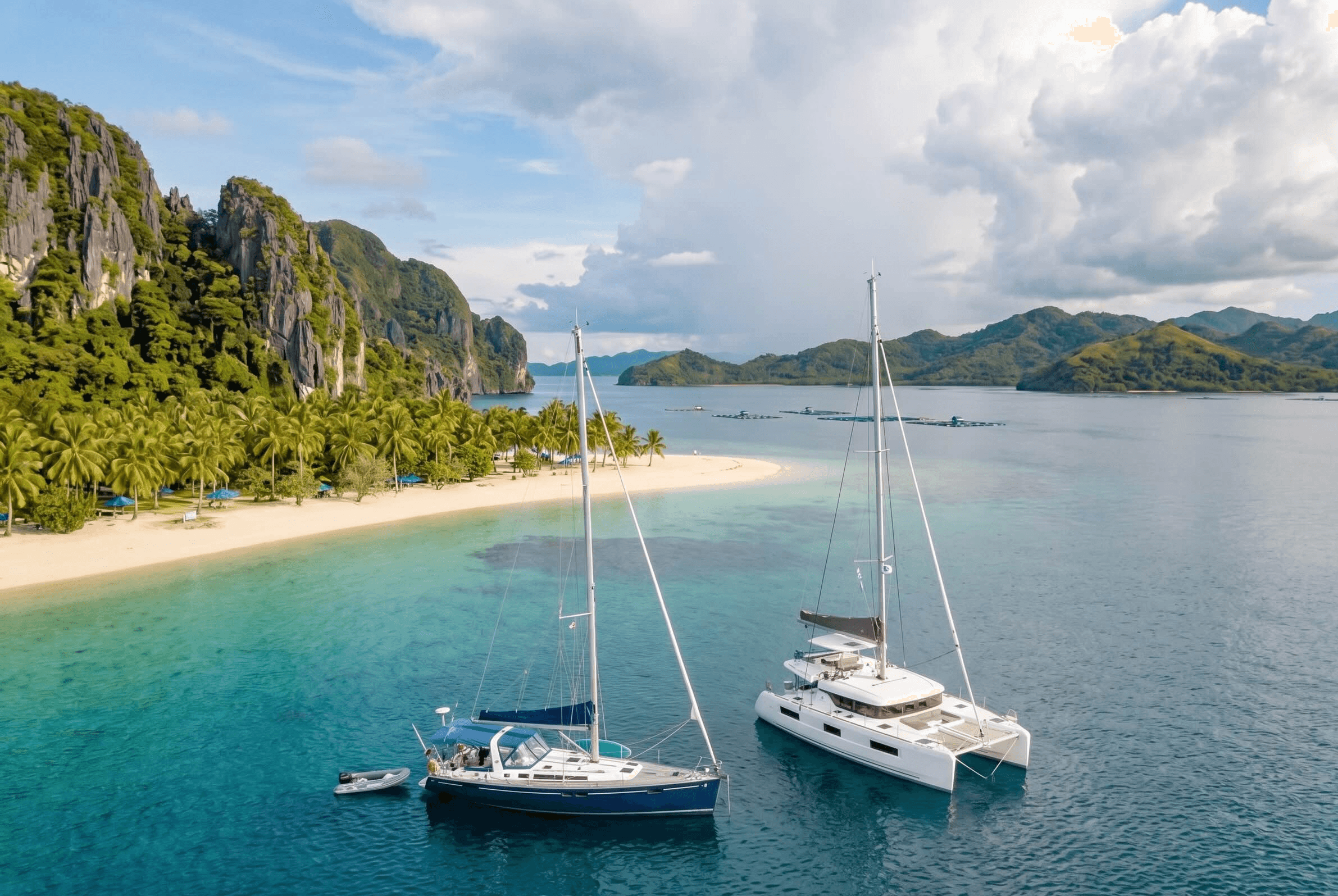
Beneteau Oceanis 48 Sailboat
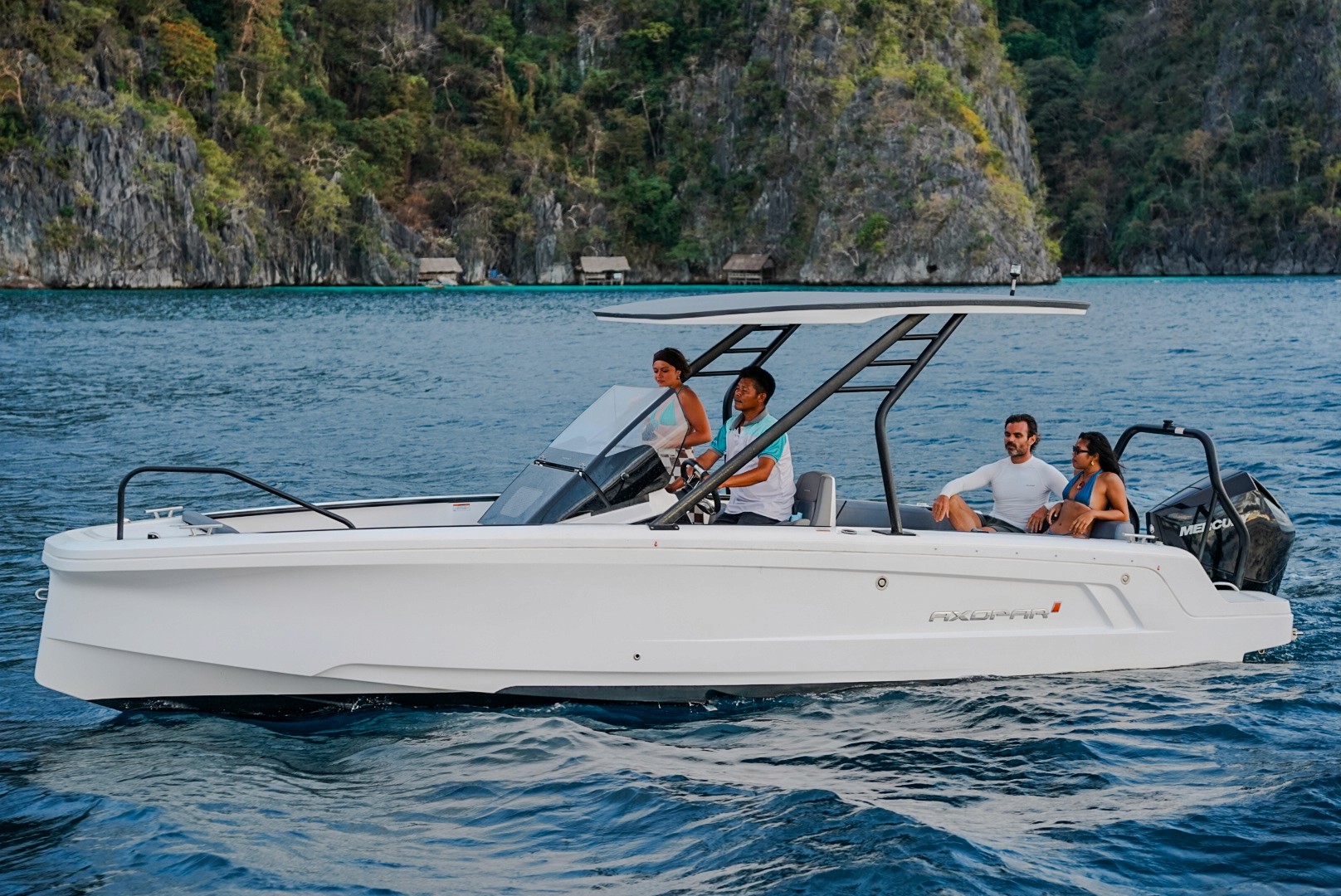
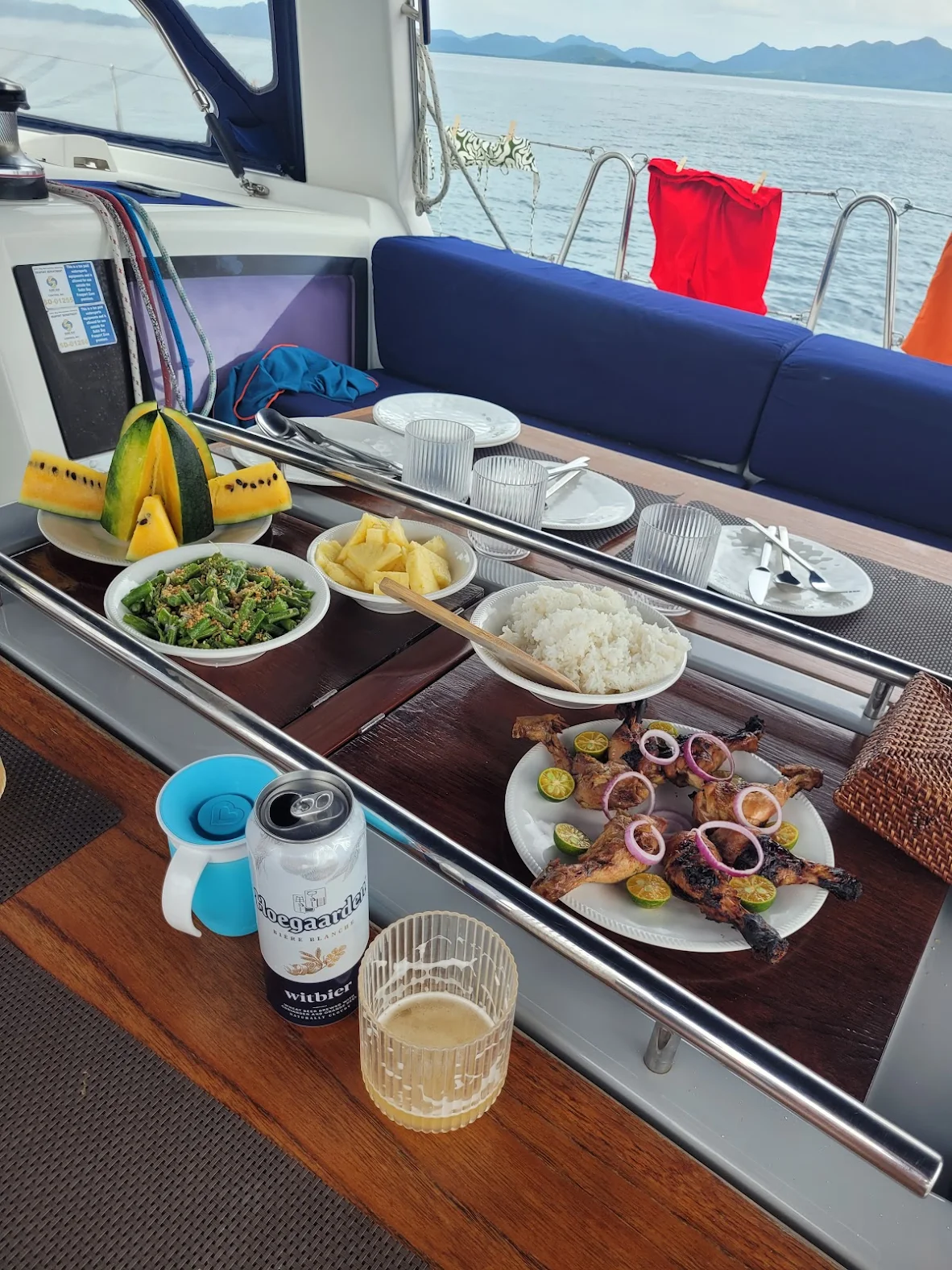
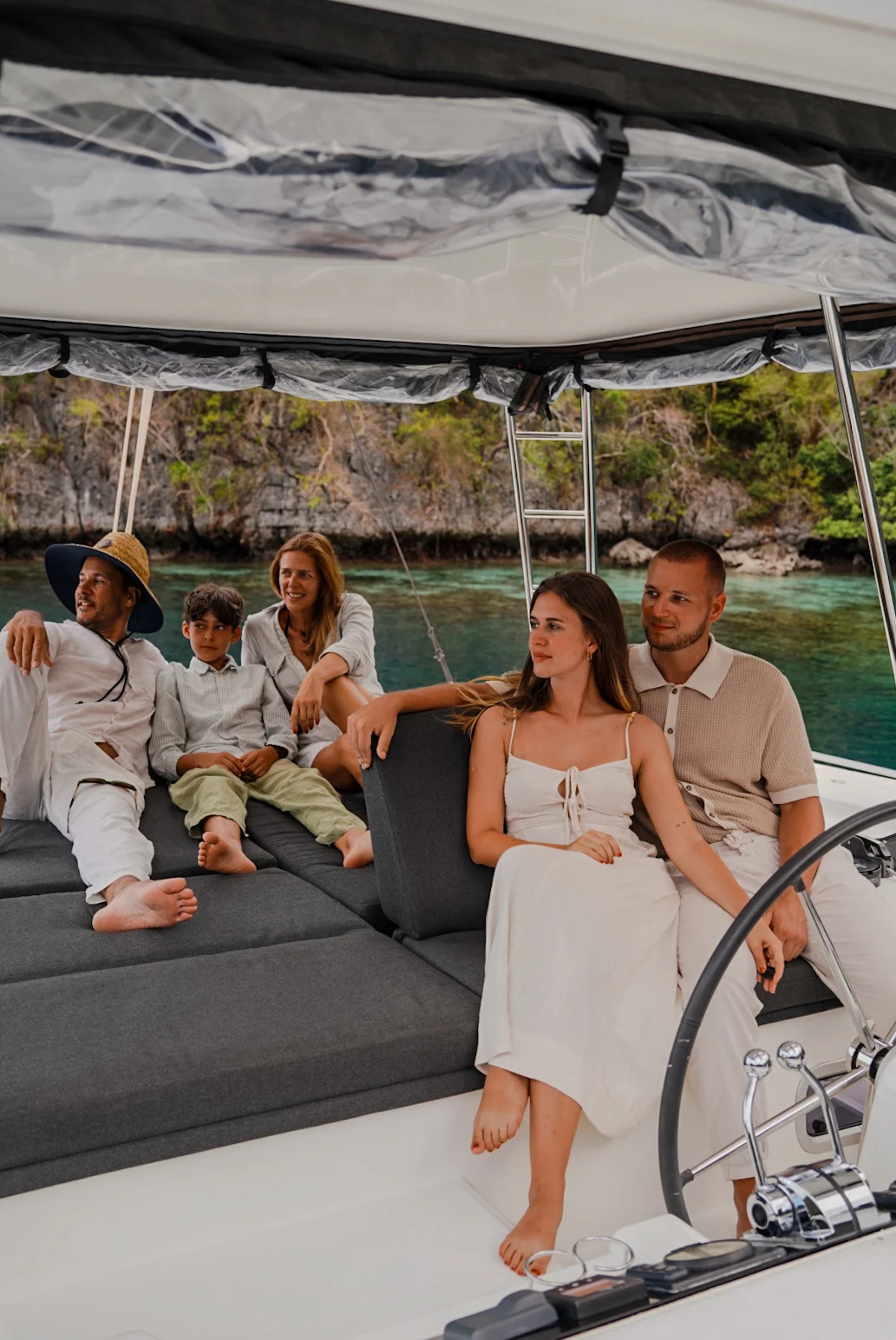
A catamaran handles stability differently. With two hulls spaced wide apart, it stays much flatter under sail and tends to move less at anchor. That steady platform makes everyday life onboard easier, whether you’re sharing meals, turning in for the night, or preparing for a swim. In cruising grounds like the Philippines and Indonesia, where calm lagoons and reef-sheltered bays are part of the appeal, this added stability often shapes the overall experience.
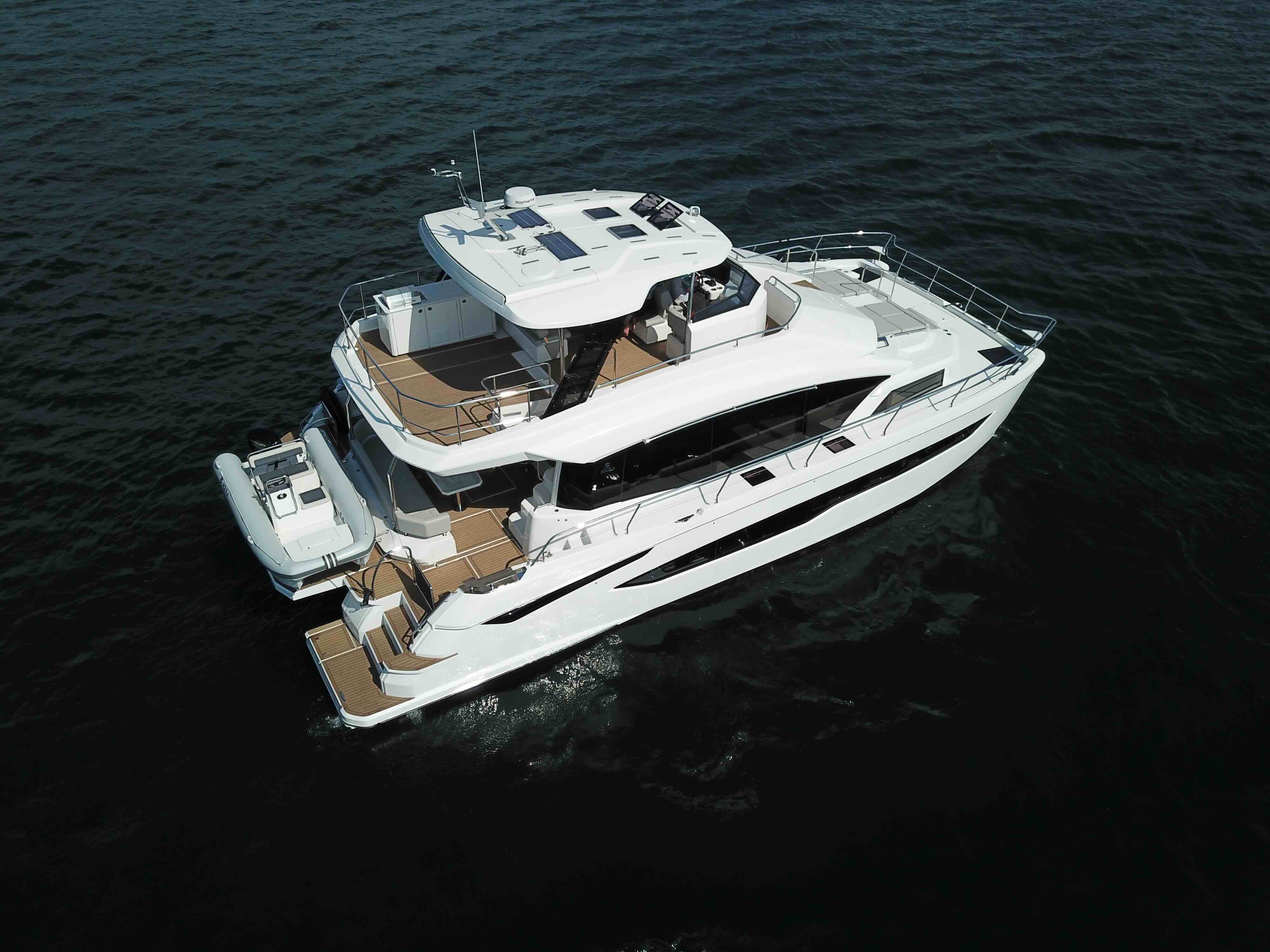
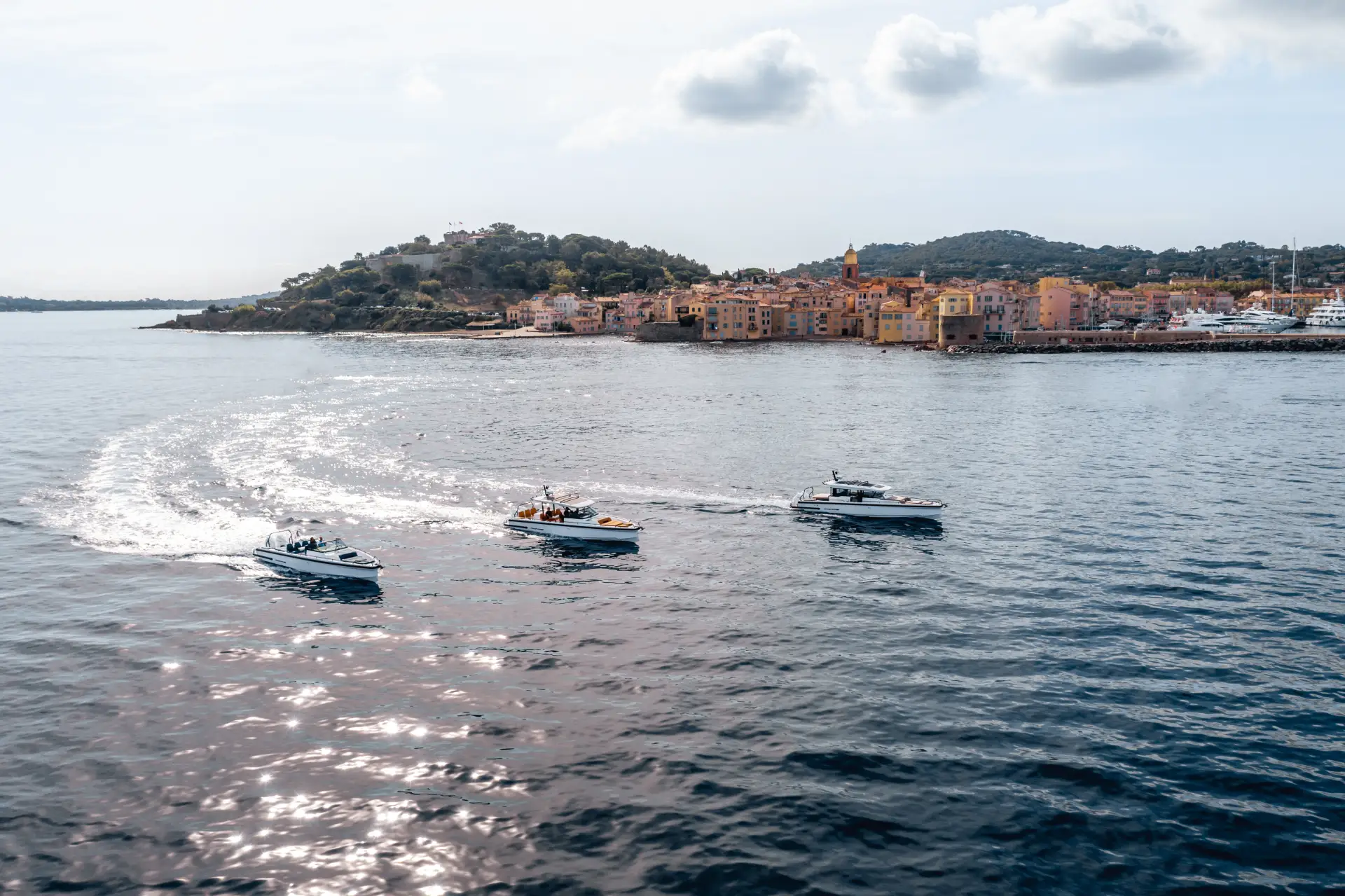
Aquila 54 Power Catamaran
2. Draft and Shallow Water Access
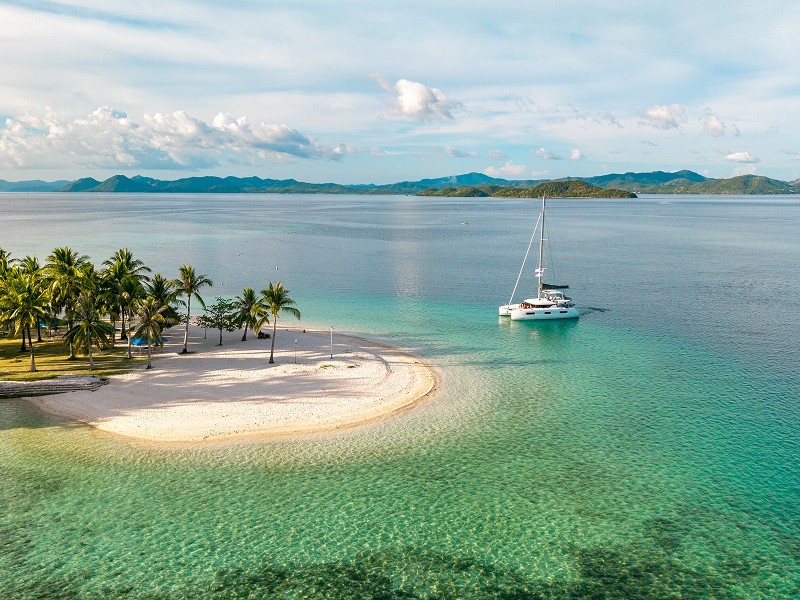
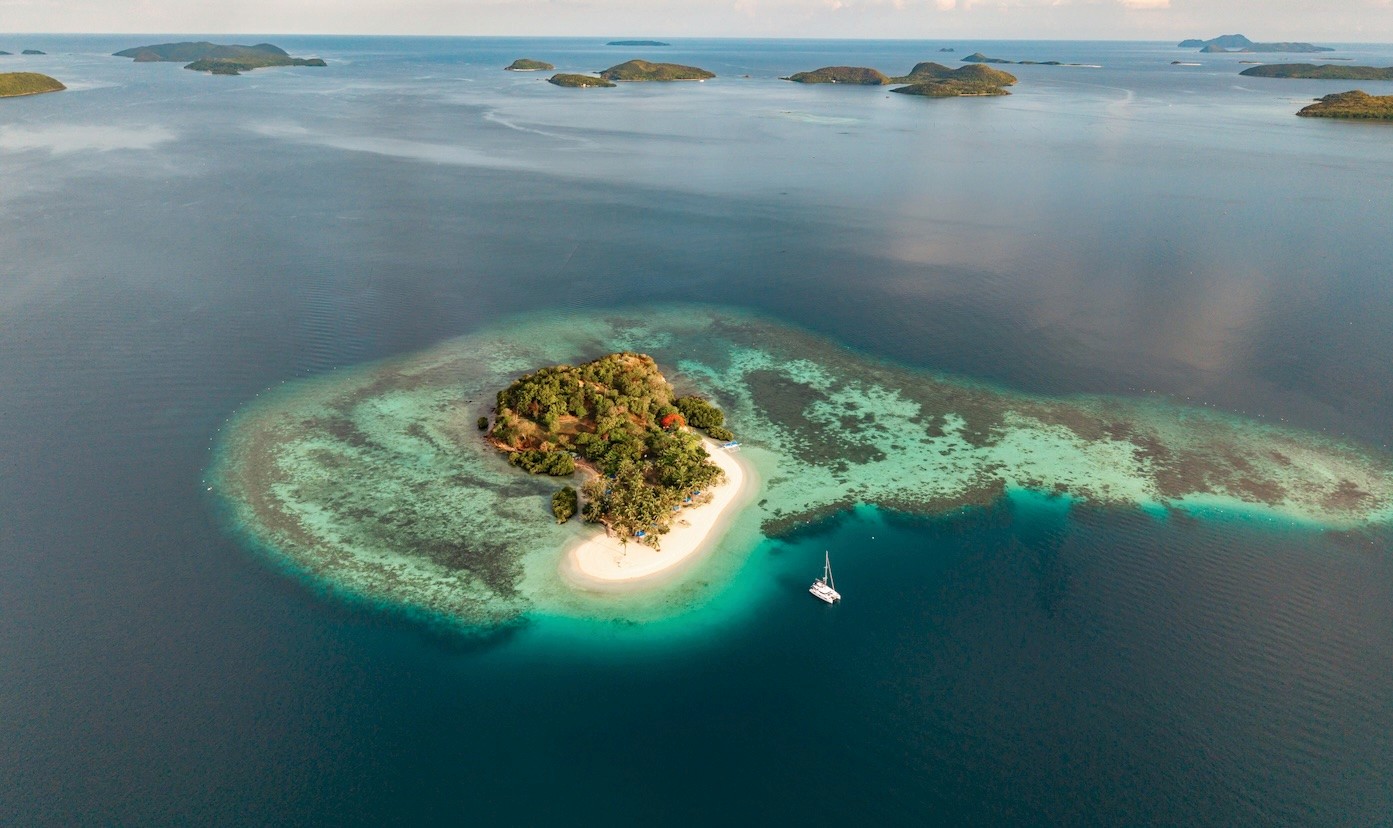
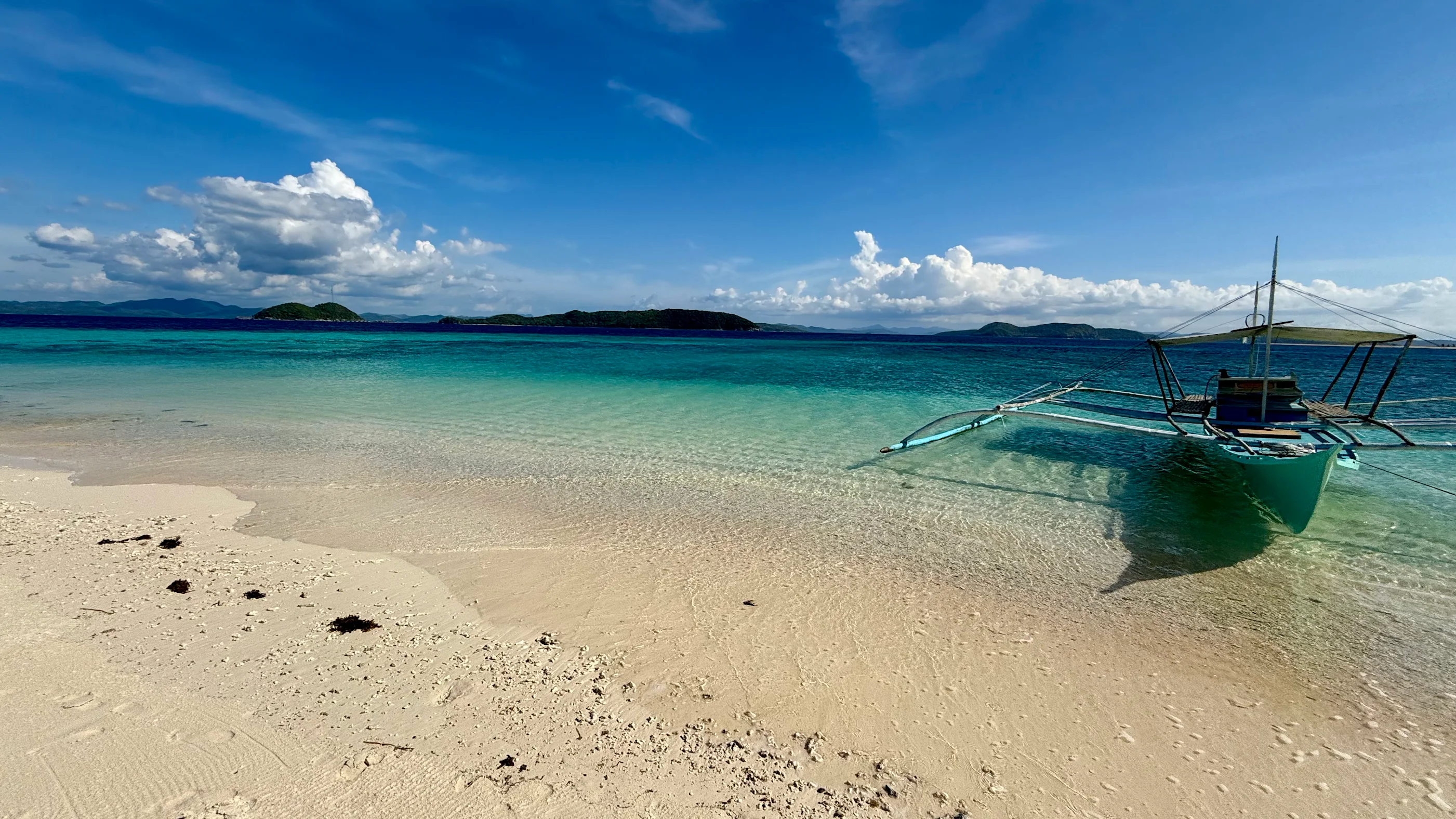
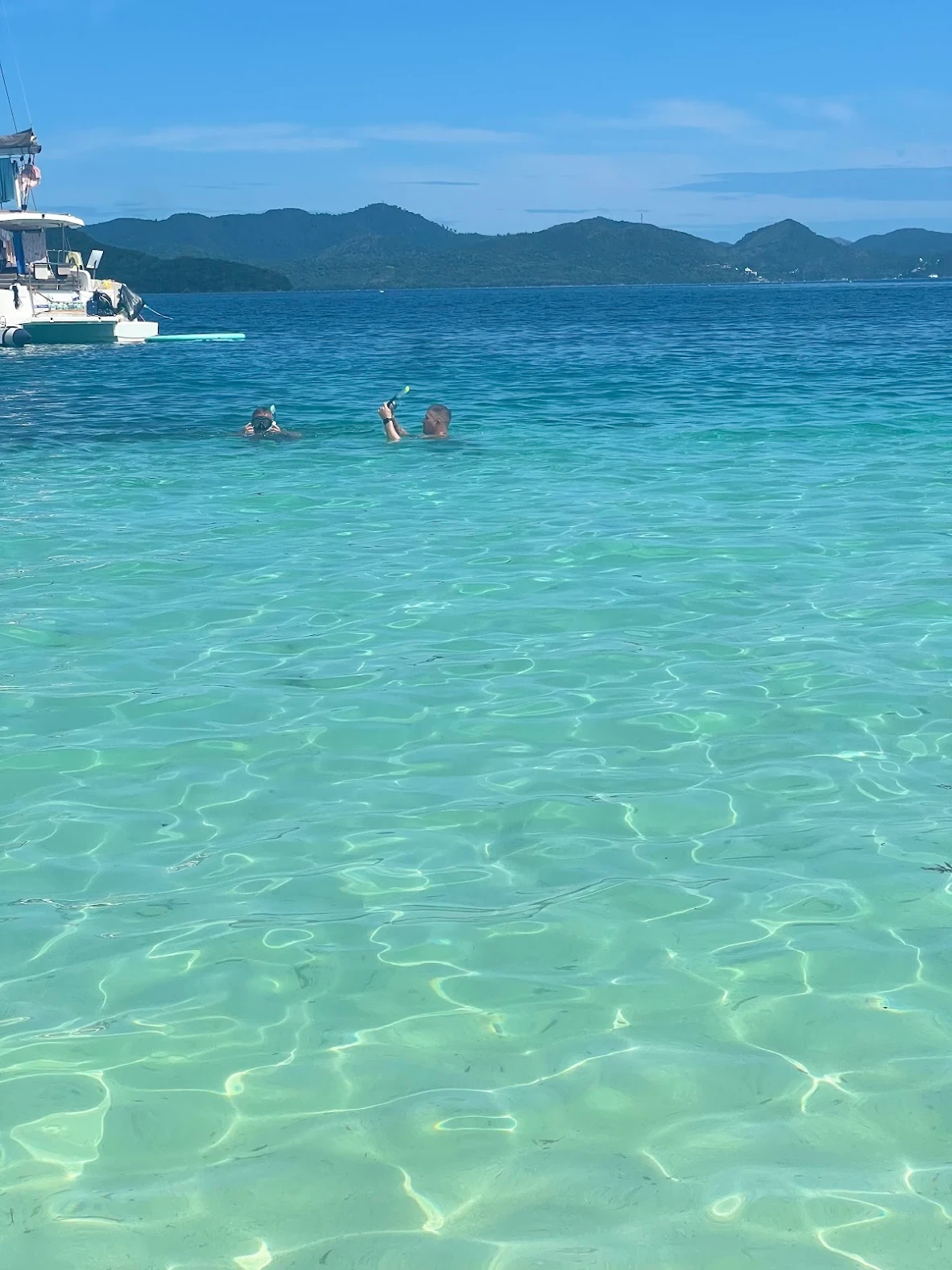
One key difference between monohulls and multihulls like catamarans is how much water they need beneath them. Many monohulls require deeper water because of their long keel. While this helps with sailing performance, it also means staying farther from shore and being more cautious around reefs and sandbars. In coral-rich island chains, where depths can change quickly, that deeper draft can limit your options.
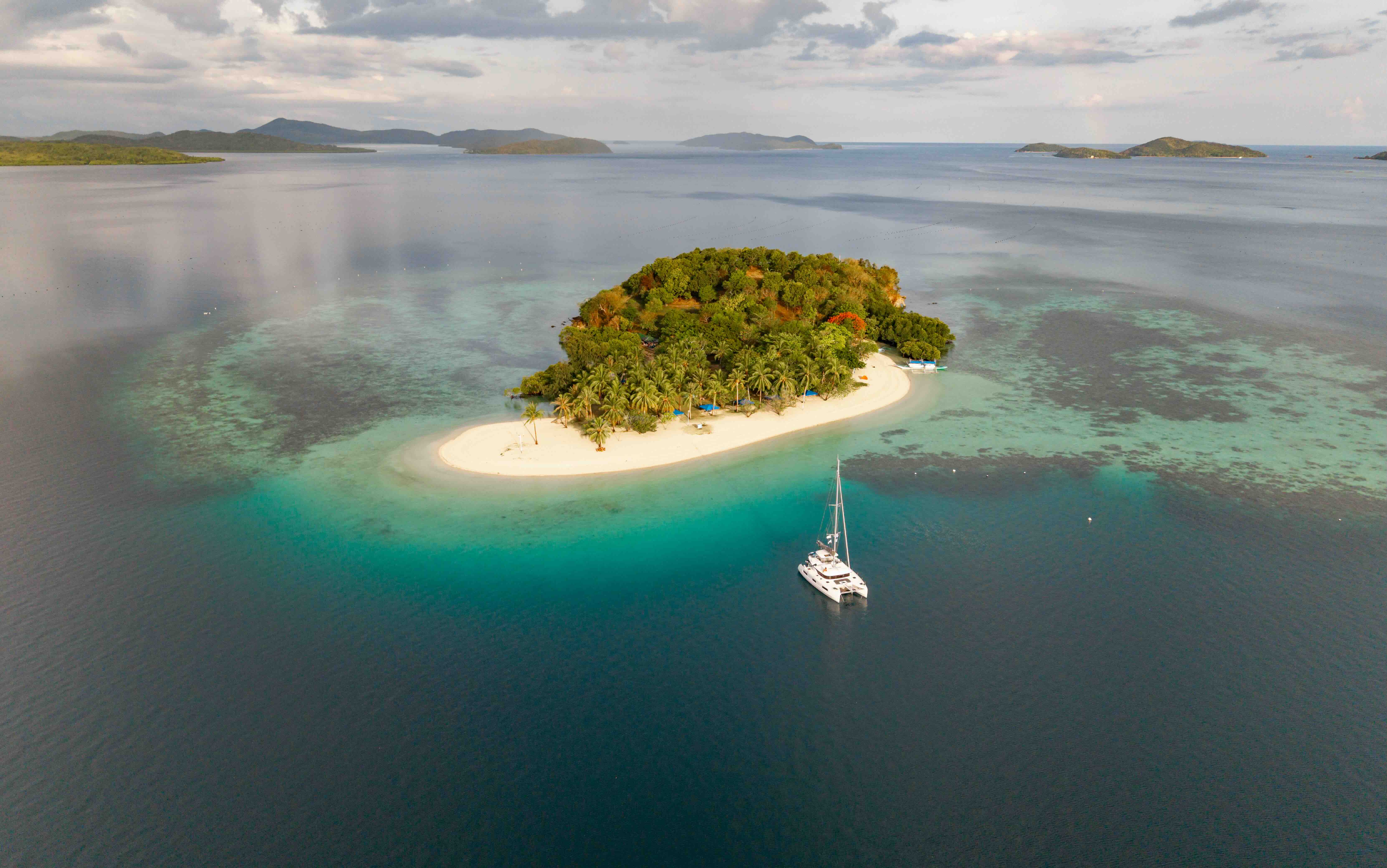
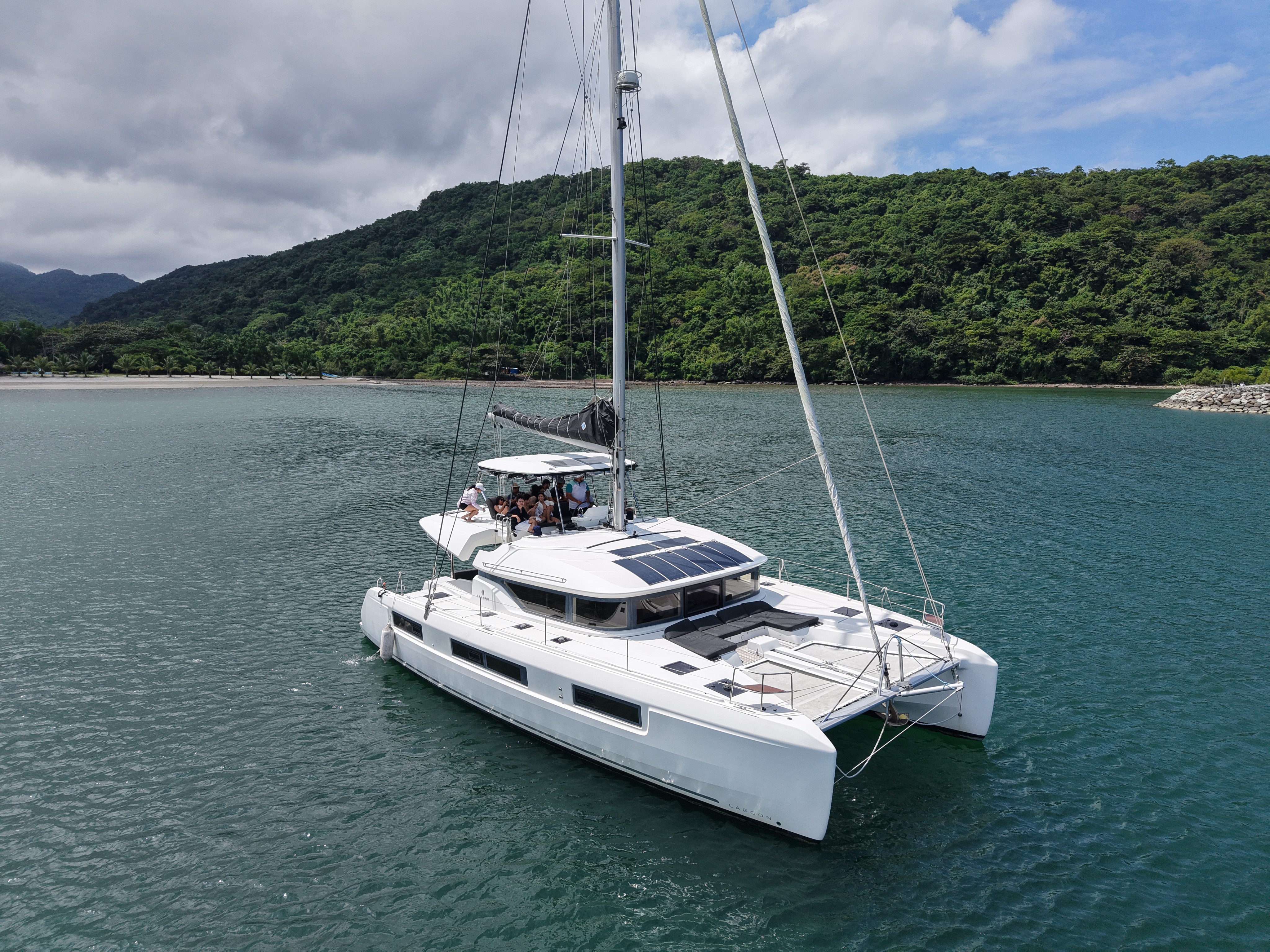
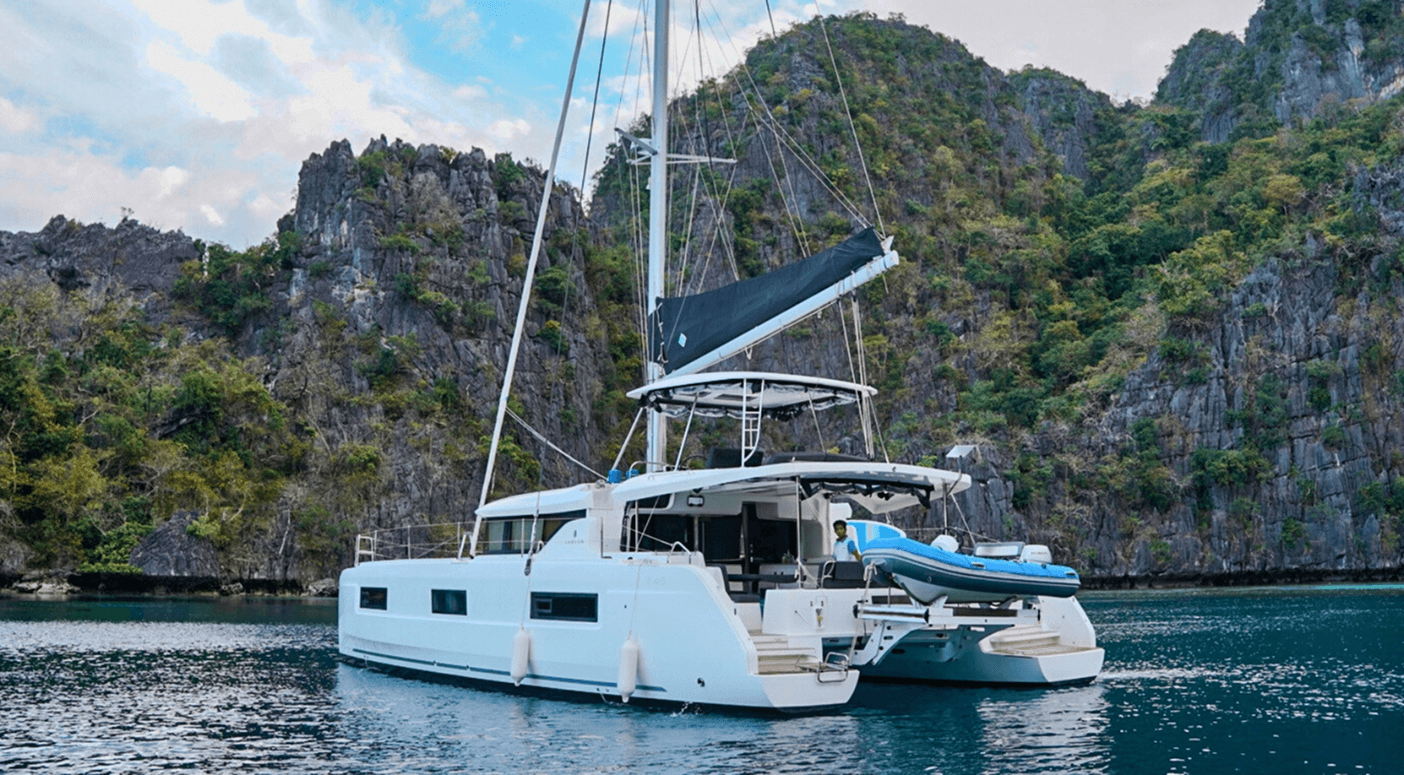
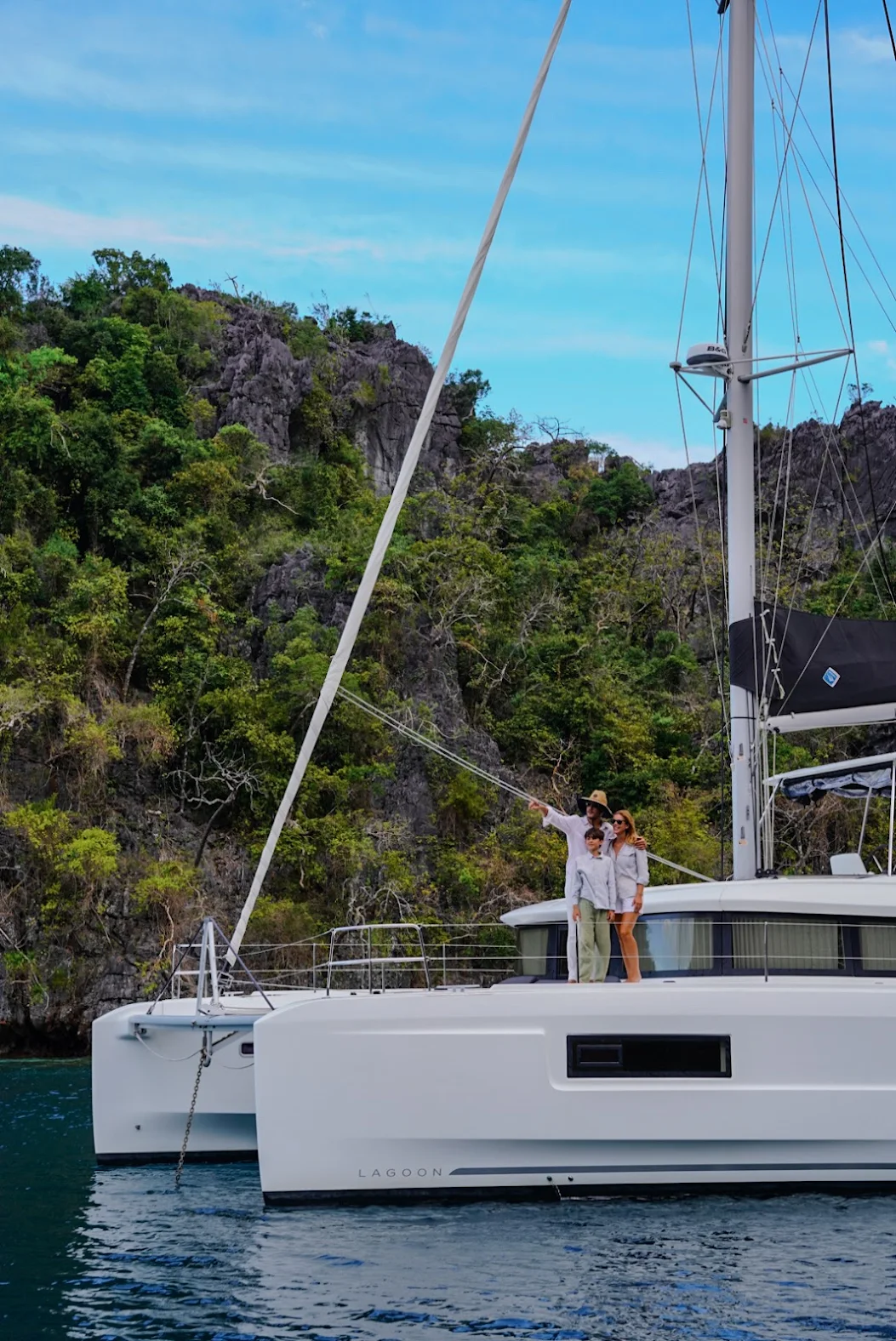
Catamarans sit higher in the water and can safely navigate shallower areas. In places such as Palawan, this allows you to anchor closer to beaches and position the boat carefully over sandy patches instead of coral. For those considering a charter aboard a well-appointed sailing catamaran like the Lagoon 50, the benefits are immediately clear. Spacious living areas are paired with the practical advantage of reaching lagoons and shallow bays that deeper vessels must avoid. In archipelagos, that kind of access truly feels like freedom.
3. Performance in Open Water
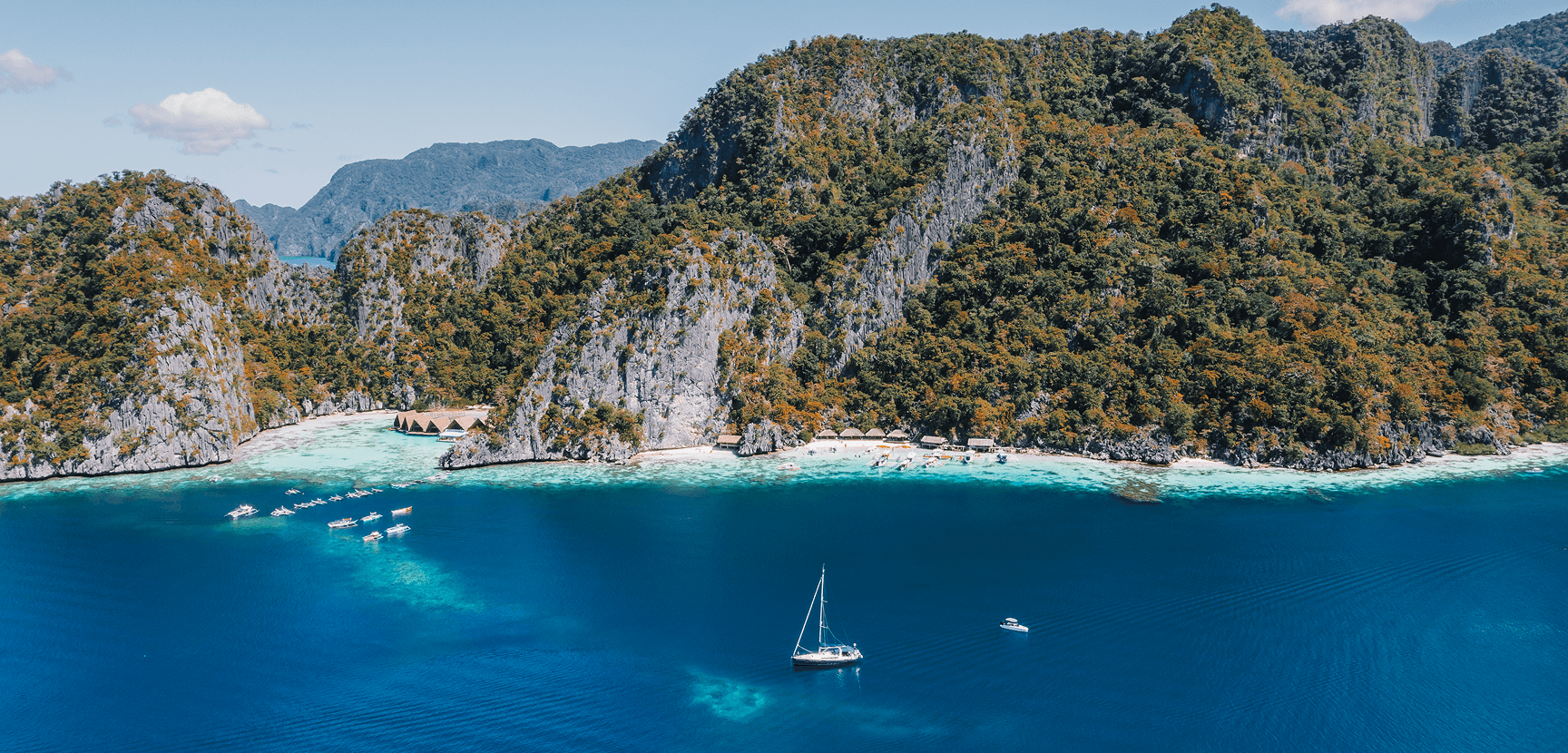
Monohulls have long been valued for their ability to sail efficiently into the wind. Their design allows them to handle longer offshore stretches with confidence, especially when the route involves steady upwind sailing. For sailors who enjoy traditional passage-making, this remains a key advantage.
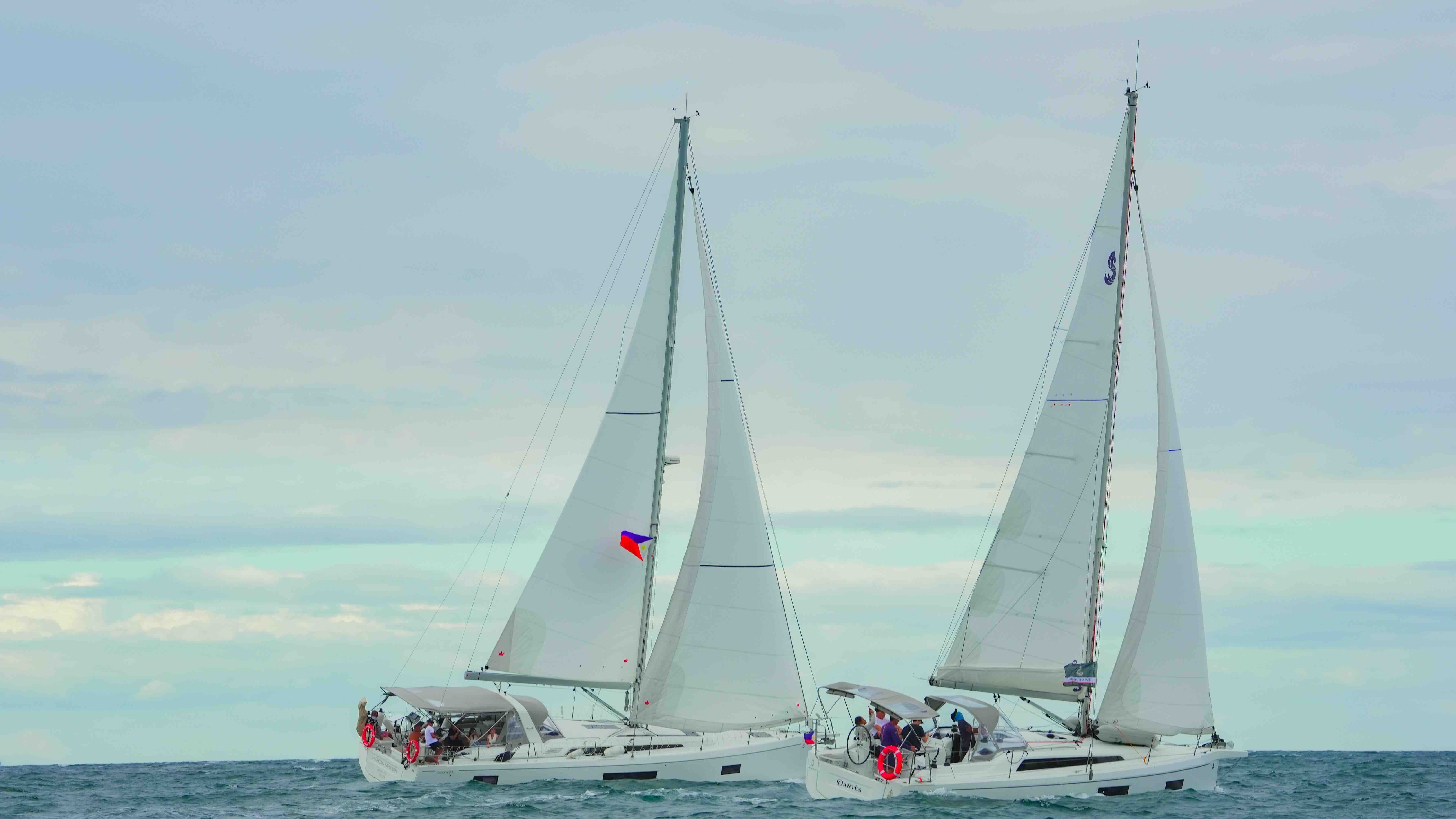
Beneteau Sailboats
Catamarans may not point as sharply into the wind, but they often achieve excellent speed on other sailing angles while staying level. In island cruising, where most trips are short hops between destinations, this difference is rarely noticeable in day-to-day sailing. What many crews appreciate more is arriving comfortably and without excessive leaning, particularly when the focus is exploring reefs, lagoons, and beaches rather than testing sailing angles.
4. Living Space and Layout
Inside a monohull, all living areas are contained within a single hull. Designers make smart use of the space, but the layout is naturally narrower. For smaller groups or shorter trips, this can feel cozy and efficient, though privacy and headroom may be somewhat limited.
Catamarans spread their accommodation across two hulls, with a wide central living area connecting them. This provides more separation between cabins and gives the interior a brighter, more open feel. For those considering private ownership beyond chartering, a power catamaran like the Aquila 70 shows just how far this design can go. Its expansive suites, generous saloon space, and wide outdoor decks are not simply indulgences. Rather, they reflect the inherent design advantage of twin hulls when comfort and livability are priorities.
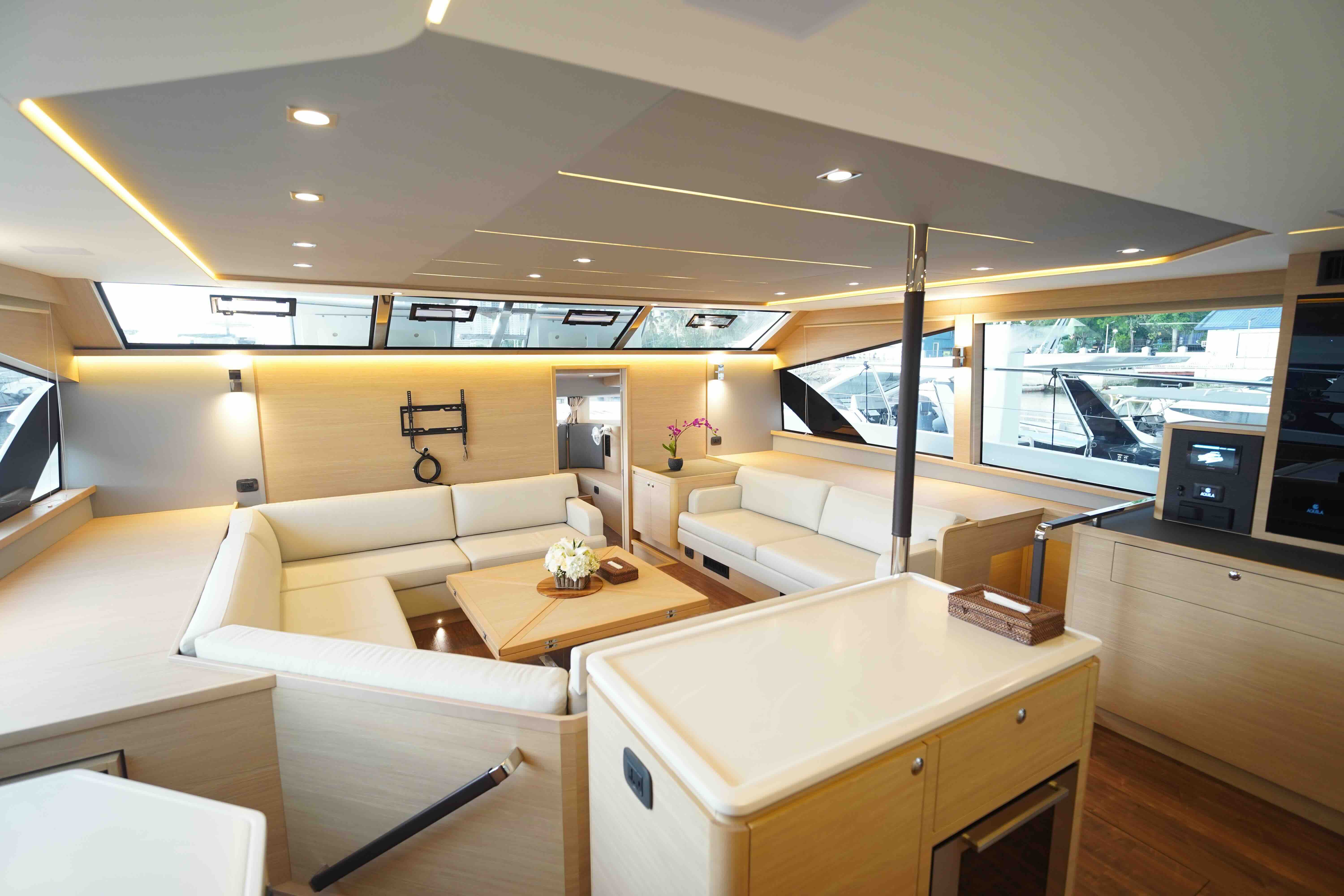
Aquila 54 Yacht Catamaran Interior Saloon
5. Safety and Environmental Considerations
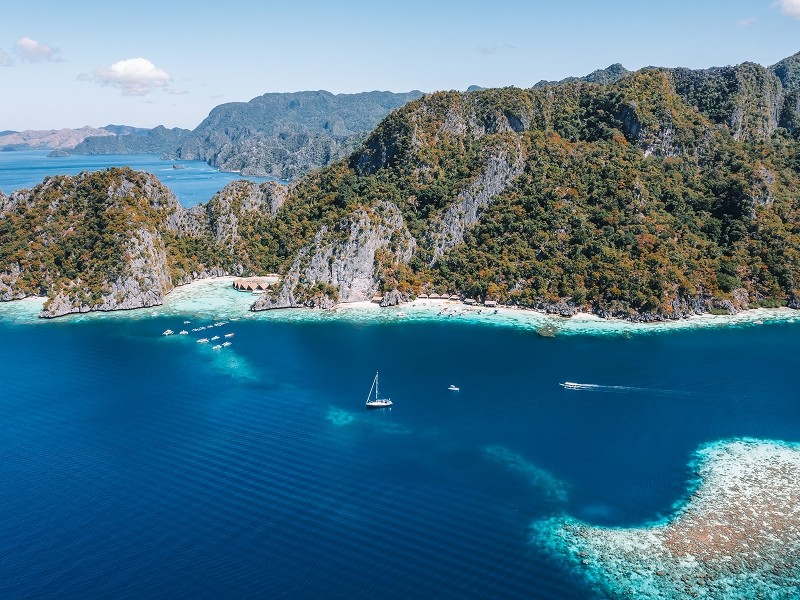
Sailing in reef-filled waters requires careful navigation, no matter which type of boat you choose. A monohull’s deeper keel can be vulnerable if it makes hard contact with coral or a shallow seabed. While many experienced captains handle these waters without issue, the margin for error is narrower in tight reef systems.
Catamarans offer a bit more breathing room. Their shallower draft reduces the risk of hitting the bottom, and their twin hulls spread buoyancy across a wider footprint. In environmentally sensitive regions, that added clearance helps protect both the vessel and the marine life below. For many sailors cruising through areas like Tubbataha Reefs in the Philippines or Raja Ampat in Indonesia, that combination of access and caution is what makes catamarans such a compelling choice.
A Captain’s Insight on Choosing the Right Vessel
Selecting the right yacht is only half the journey; choosing the right partner is just as important. In the Philippines and Indonesia, where anchorages and reef systems demand local knowledge, having expert guidance can make the difference between a smooth, worry-free voyage and a challenging one. You’ll want to work with a team that understands the waters, the boats, and the unique needs of each crew, ensuring every decision, from route planning to vessel selection, is informed and confident.
At Europa Yachts, we’ve built a trusted reputation across the Philippines and Indonesia by representing top boatbuilders like Aquila and Lagoon, both renowned for their high-performance, luxurious catamarans. Whether you’re planning a private charter or considering long-term ownership, be it brand new or pre-owned yachts, our team helps you find the vessel that best suits your needs while providing reliable support every step of the way.
Setting Sail with Confidence
While monohulls have their strengths, catamarans and other multihulls provide unmatched stability, shallow-draft access, and generous living space, making them perfect for exploring island chains and reef-filled waters. Understanding how multihulls perform both underway and at anchor ensures a safer, more enjoyable voyage. For expert guidance and access to the finest catamarans, reach out to Europa Yachts and make your next sea adventure truly unforgettable.